Home
About
Services
Contact
Menu
General Dentistry Cosmetic Dentistry Restorative Dentistry Oral Surgery Orthodontics Emergency Dentistry Scaling and Root Planing Sedation Therapy Gum Surgery
CDCP Services
Book Online
Orthodontic Alignment Services

Orthodontic Alignment in Guelph

Understand your alignment concerns and take the next step toward a healthier, more comfortable smile.

Why Is Orthodontics Important?
Wellington Dental Clinic

Better-Aligned Teeth and a More Comfortable Bite

Crowded, rotated, or widely spaced teeth and a bite that does not meet evenly can affect your smile, oral hygiene, or comfort. An alignment assessment helps identify what is happening and whether monitoring, orthodontic treatment, or specialist care may be appropriate.

Wellington Dental Clinic assesses teeth and bite alignment concerns for children, teens, and adults in Guelph. Your dentist will review your oral health and explain suitable next steps based on your individual needs.

Book Your Spot for Expert Dental Care

What Does Orthodontic Alignment Mean?

Orthodontic alignment is the planned movement of teeth and, when needed, correction of how the upper and lower teeth meet. Treatment may focus on tooth position, spacing, crowding, or a bite concern. The appropriate approach depends on the diagnosis, growth, oral health, and complexity of the required movement.

Straighter teeth may be easier to clean in some cases, but appearance is only one part of treatment planning. Your dentist also considers gum health, supporting bone, jaw relationships, existing dental work, and long-term stability.
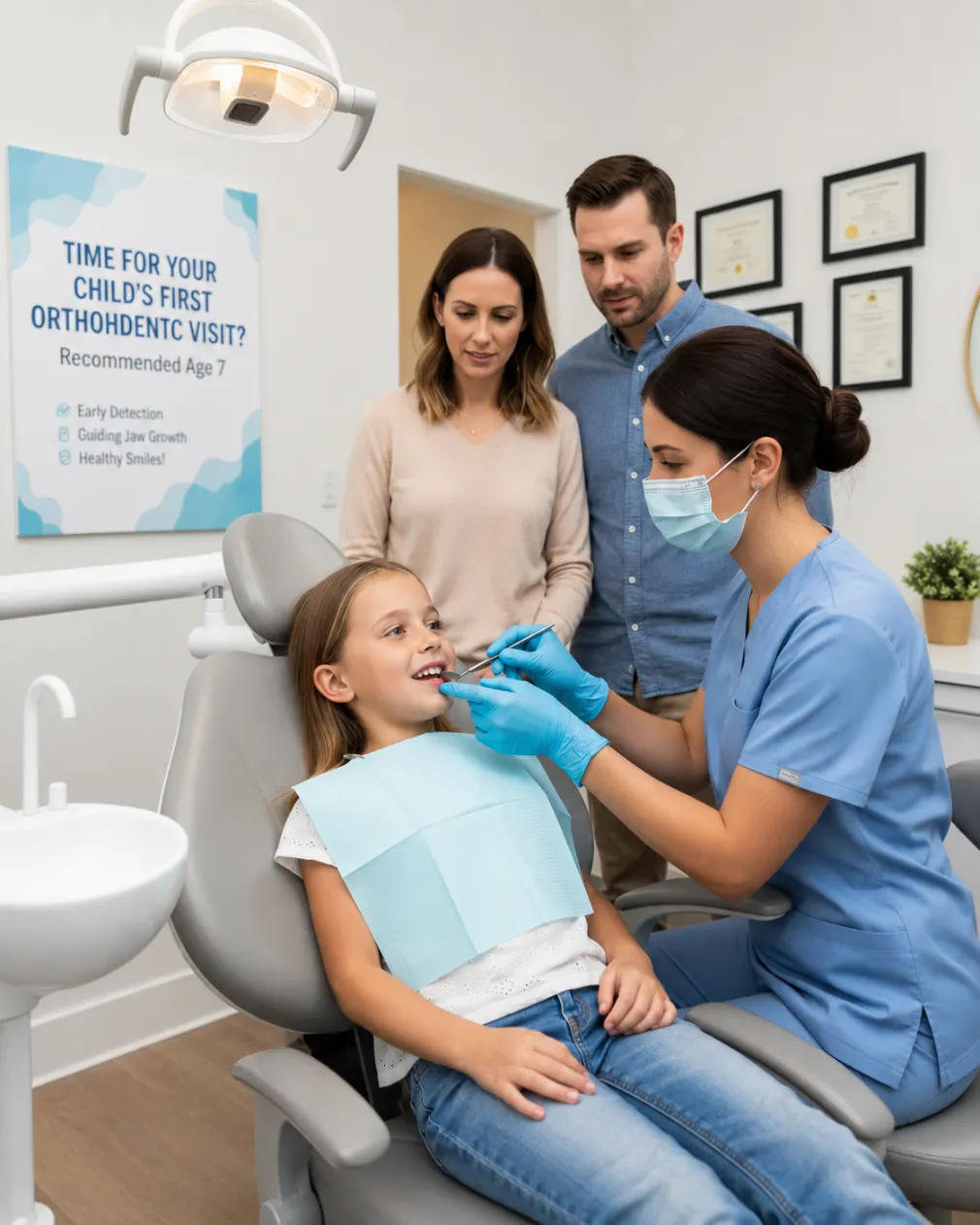
Time for Your Child's First Orthodontic Visit

When Should You Ask About Alignment?

Consider arranging an assessment if you notice:

  • Teeth that overlap, rotate, or appear crowded
  • Gaps or uneven spacing between teeth
  • Upper and lower teeth that do not meet evenly
  • An overbite, underbite, crossbite, or open bite
  • Difficulty cleaning between crowded teeth
  • Teeth that have shifted after previous orthodontic treatment
  • A retainer that no longer fits as directed
  • Questions about your child’s developing teeth or bite

These signs do not confirm that treatment is needed. An examination is required to distinguish a cosmetic concern from a functional or developmental issue and to determine the appropriate timing.

What Happens During an Alignment Assessment?

  • Discuss your concerns. Tell the dentist what you have noticed, any previous orthodontic treatment, and what you hope to address.
  • Examine your teeth and bite. The dentist reviews tooth position, gum health, how your teeth meet, and other factors relevant to treatment.
  • Collect diagnostic records when needed. Photographs, digital scans, impressions, or X-rays may be recommended depending on the concern.
  • Review possible next steps. These may include monitoring, dental treatment before alignment, braces, clear aligners, another appliance, or referral to a certified orthodontic specialist.
  • Discuss the proposed plan. Treatment length, visit frequency, fees, limitations, and retention should be reviewed only after the required assessment and records are complete.
Can an Adult Get Orthodontics?

Treatment Options for Teeth and Bite Alignment

The most suitable treatment depends on the movements required and your ability to follow care instructions. Not every option is appropriate for every alignment or bite concern.

Traditional Braces

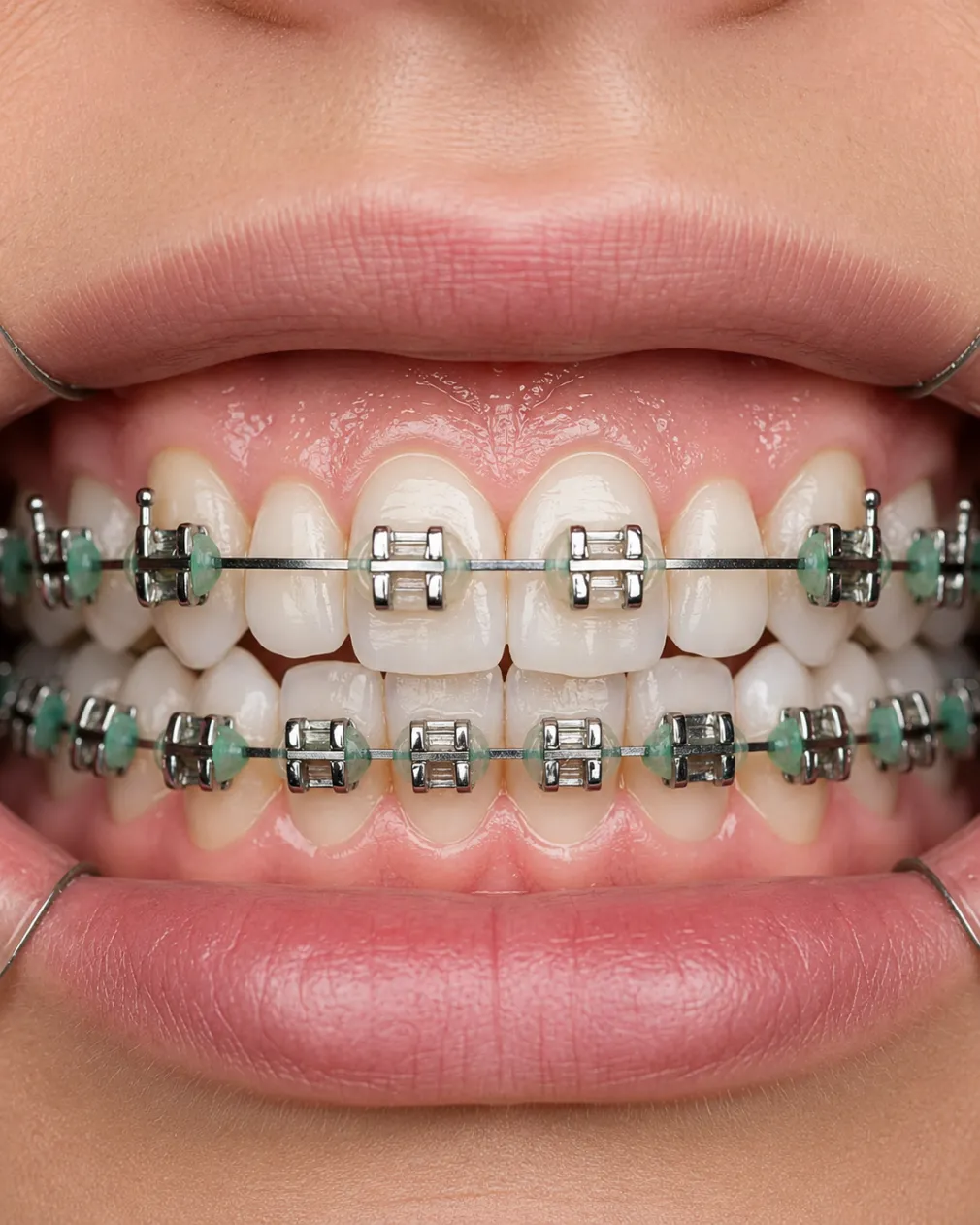
Traditional braces use brackets and wires to guide teeth through planned movements. They may be considered for a wide range of cases and require regular monitoring and adjustment.

Clear Aligners

Invisalign clear aligners use a sequence of removable trays. They require consistent wear and may not be the preferred approach for every type of tooth movement or bite correction.

Orthodontic Appliances and Retainers

Orthodontic appliances may support a specific spacing, growth, bite, or habit-related objective when clinically appropriate. Retainers are commonly used after active treatment to help maintain tooth positions.

How This Page Differs From General Orthodontics

This page focuses on evaluating a specific tooth or bite alignment concern. The orthodontics service page provides a broader overview of orthodontic care, while the treatment pages explain individual appliance options in more detail.

Planning for Stable Results

Alignment is a process, not a one-time procedure. Keeping appointments, maintaining oral hygiene, and following appliance instructions can influence progress. After active treatment, retainers and follow-up care are important because teeth can shift over time.

Existing cavities, gum inflammation, or other dental concerns may need attention before treatment. Complex bite or jaw concerns may also require assessment by a certified orthodontic specialist or coordinated care with another provider.

Your Questions Answered

Frequently Asked Questions

Everything you need to know about your visit to our Guelph clinic.

Is orthodontic alignment the same as orthodontic treatment?

Orthodontic alignment describes the goal of improving tooth position or how the bite meets. Orthodontic treatment is the broader process used to reach that goal and may involve braces, clear aligners, appliances, retainers, monitoring, or specialist care.

Can adults have their teeth aligned?

Yes. Adults can be assessed when their teeth, gums, supporting bone, and overall dental health allow treatment. Existing restorations, missing teeth, or gum concerns may affect the plan.

When should a child have an orthodontic assessment?

Timing depends on the concern and the child’s dental development. An earlier assessment may be recommended when a dentist notices a developing bite, eruption, spacing, or jaw-growth concern. An assessment does not always mean treatment should begin immediately.

Will straightening my teeth fix jaw pain or speech concerns?

Not necessarily. Jaw pain and speech concerns can have several causes, and tooth alignment alone may not resolve them. Tell your dentist about your symptoms so the need for further assessment or referral can be considered.

How long does teeth alignment take?

There is no standard timeline. The estimate depends on the required movements, appliance, growth, biological response, missed visits, breakages, and how closely treatment instructions are followed.

Will I need a retainer after alignment treatment?

Retainers are commonly prescribed after active treatment to help maintain tooth positions. The type and wear schedule depend on your case, and teeth can still shift over time.

Book a Teeth and Bite Alignment Assessment in Guelph

If you are concerned about crowding, spacing, shifting teeth, or the way your bite meets, an assessment can help clarify the cause and appropriate next step. Contact Wellington Dental Clinic or book online to arrange an alignment assessment in Guelph.

Why Guelph Patients Choose Wellington Dental Clinic

Experienced & Qualified

Our dentists are trained across all areas of general dentistry, from routine procedures to emergency care.

Collaborative Care

We work closely with specialists like orthodontists to ensure comprehensive, tailored treatment.

All Ages Welcome

Our fully licensed team treats children, adults, and seniors at every stage of life.

We're located at 86 Gordon St Unit-D, Guelph, ON N1H 4H6.