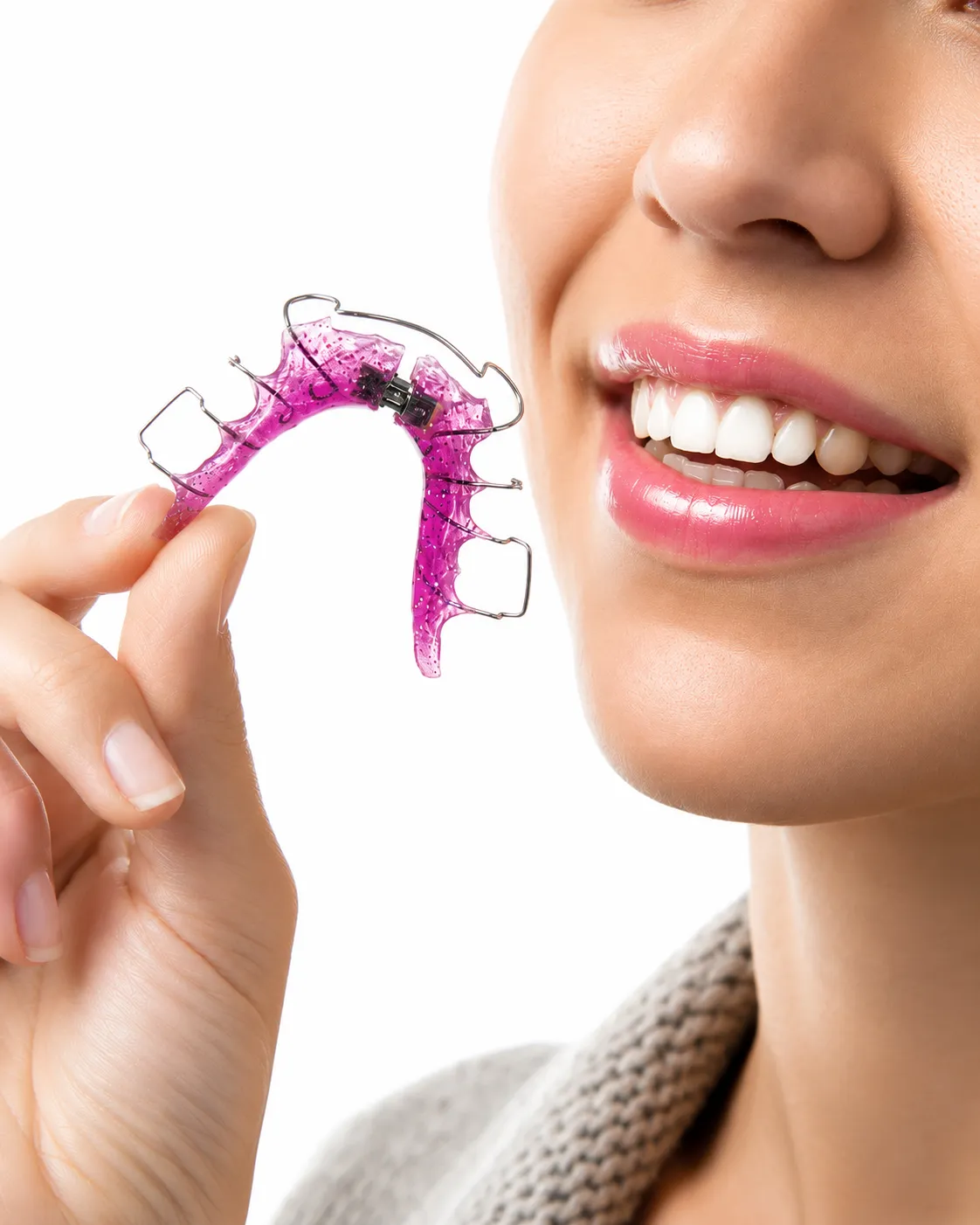
Get clear guidance on orthodontic concerns and the right next steps for you or your child.
Orthodontic appliances can help manage tooth spacing, jaw development, bite relationships, oral habits, or the position of teeth after treatment. The right appliance depends on an individual assessment, the stage of dental development, and the goals of care.
Wellington Dental Clinic does not provide orthodontic appliances directly. Our dental team can identify concerns during an examination, explain why an orthodontic assessment may be useful, and refer you or your child to an appropriate orthodontic provider when needed.
An orthodontic appliance is a device used as part of a planned approach to tooth or jaw alignment. Some appliances are fixed in the mouth, while others can be removed. They may be used before, during, or after braces or clear-aligner treatment.
An appliance should not be selected from a general description alone. The orthodontic provider will assess the teeth, bite, jaw relationships, growth, oral health, and treatment goals before recommending an option.
A dentist may recommend an orthodontic assessment when an examination identifies concerns such as:
These signs do not confirm that an appliance is needed. An assessment determines whether monitoring, an appliance, braces, clear aligners, another treatment, or no immediate treatment is appropriate.
The examples below are educational. They do not represent appliances provided directly by Wellington Dental Clinic, and not every appliance is suitable for every patient.
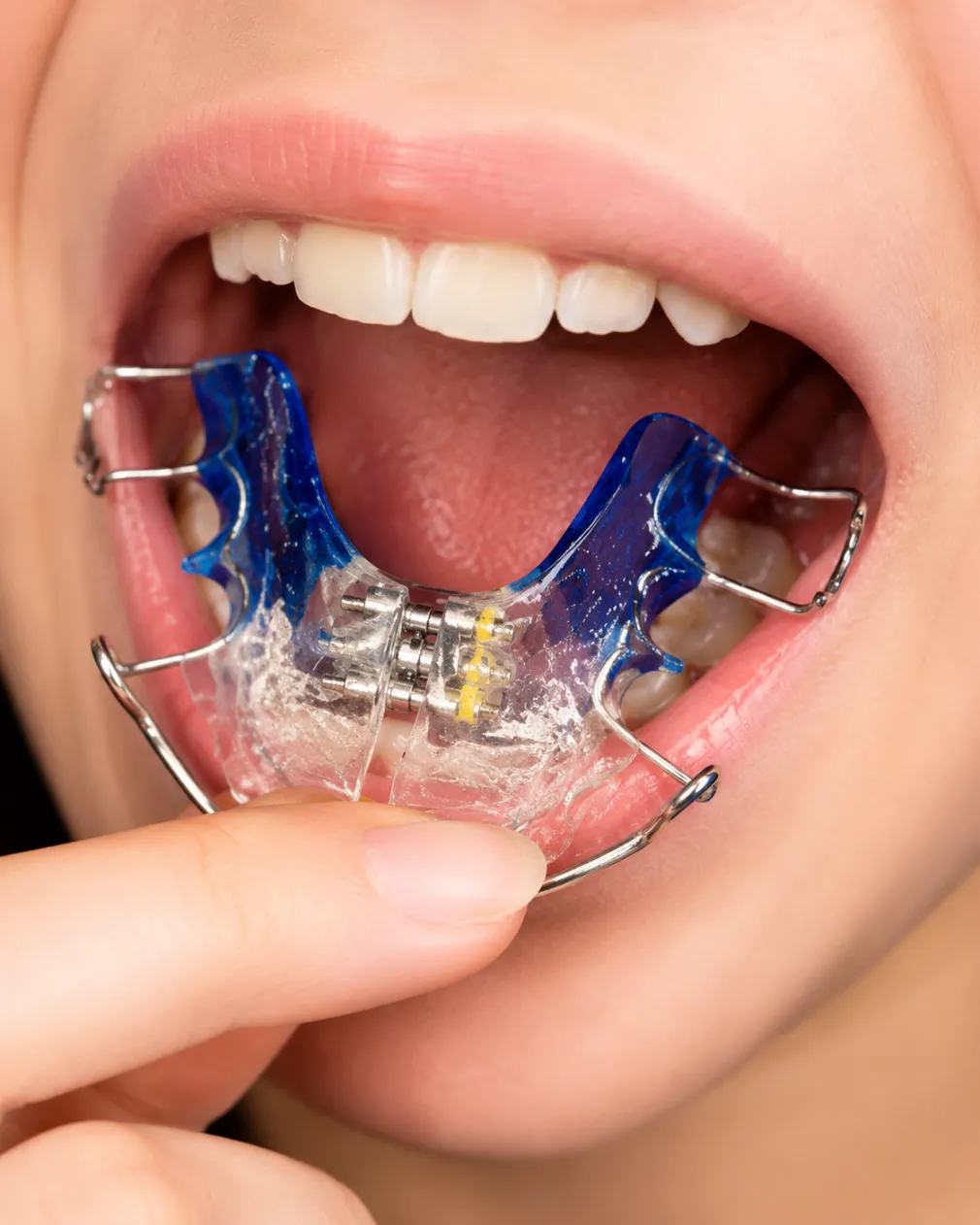
A palatal expander may be considered for some growing patients when the upper arch needs to be widened. The reason for treatment, timing, appliance design, activation, and monitoring are determined by the treating orthodontic provider.
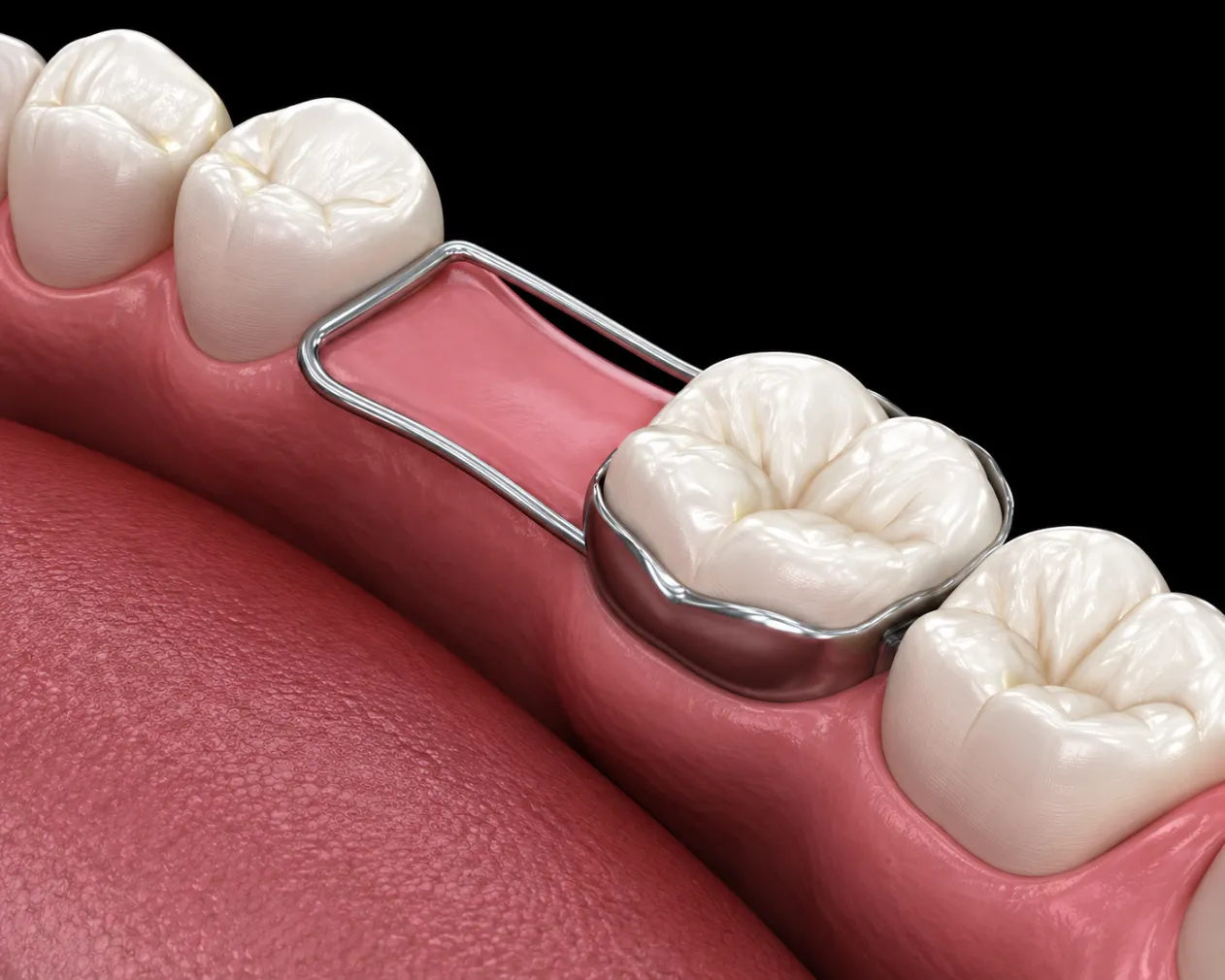
A space maintainer may be considered after the early loss of a primary tooth. Its purpose is to help preserve space for a developing permanent tooth when clinically indicated. The decision depends on factors such as the tooth involved, eruption stage, available space, and bite.
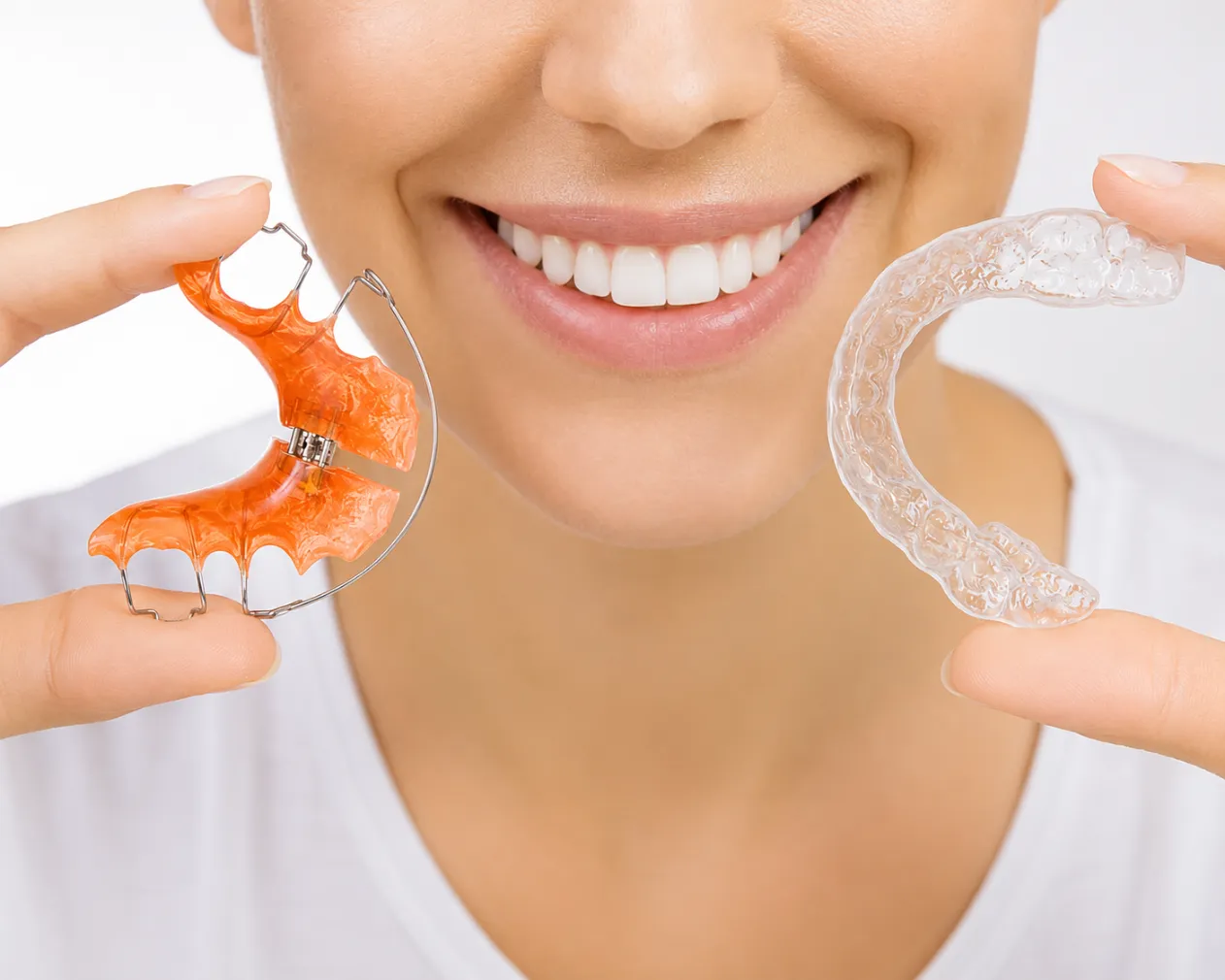
Retainers help limit unwanted tooth movement after active orthodontic treatment. They may be fixed or removable. Wear schedules, cleaning, repairs, and the length of retention should follow the instructions provided for the individual treatment plan.
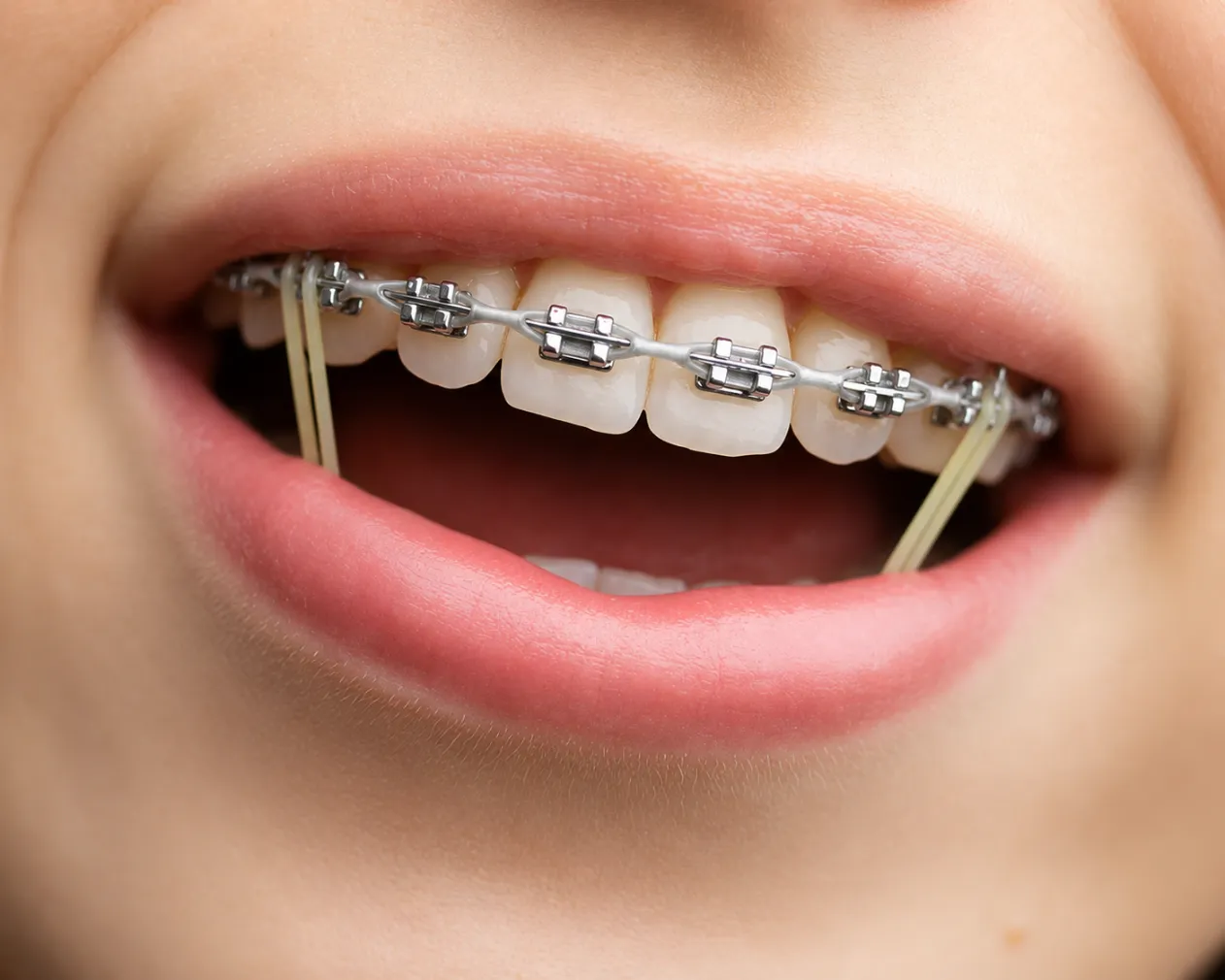
Orthodontic elastics are sometimes used with braces or other systems to apply a planned force between teeth or jaws. They should be worn, replaced, and positioned only as directed by the treating provider.
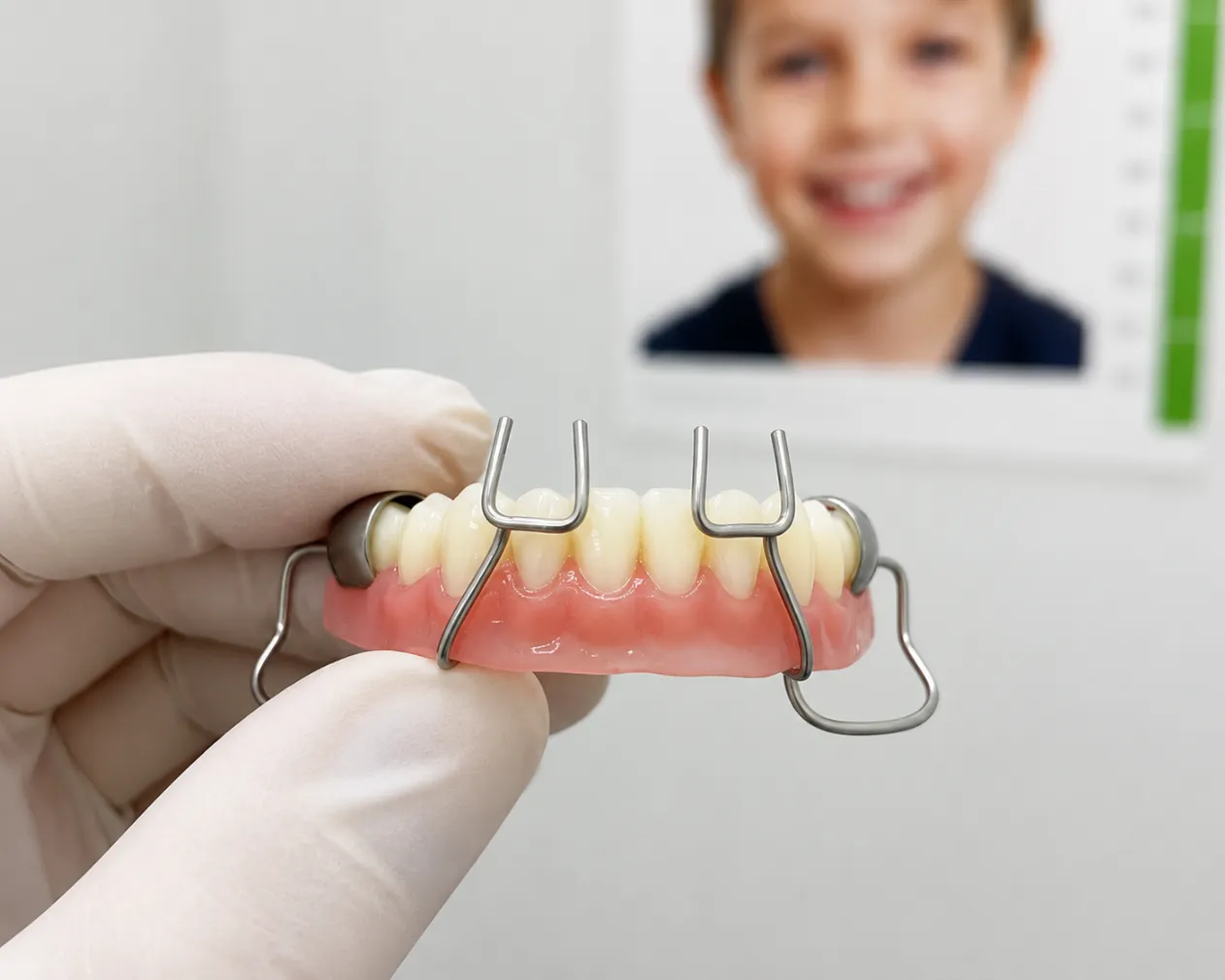
Functional appliances may be used in selected growing patients to influence tooth and jaw relationships. Habit appliances may be considered when an ongoing oral habit is affecting dental development. Suitability and timing require an individual assessment.
At a dental visit, the Wellington Dental team may:
The orthodontic provider determines whether records such as photographs, scans, impressions, or X-rays are needed and discusses the available treatment options.
Regular dental care remains important while you or your child is receiving orthodontic treatment. Brackets, wires, attachments, and some appliances can create areas where plaque and food collect.
Follow the treating provider’s instructions and:
Wellington Dental can continue supporting your general oral health through routine dental care while an orthodontic provider manages the appliance and alignment plan.
Everything you need to know about your visit to our Guelph clinic.
If you are concerned about tooth spacing, your child’s developing bite, or movement after orthodontic treatment, schedule a dental examination at Wellington Dental Clinic in Guelph. We can assess your oral health, explain what we observe, and help coordinate a referral when needed.
Our dentists are trained across all areas of general dentistry, from routine procedures to emergency care.
We work closely with specialists like orthodontists to ensure comprehensive, tailored treatment.
Our fully licensed team treats children, adults, and seniors at every stage of life.
