Home
About
Services
Contact
Menu
General Dentistry Cosmetic Dentistry Restorative Dentistry Oral Surgery Orthodontics Emergency Dentistry Scaling and Root Planing Sedation Therapy Gum Surgery
CDCP Services
Book Online
Oral Surgery Services

Oral Surgery in Guelph

Get clear guidance on the most appropriate next step for your oral health.

Oral Surgery at Wellington Dental Clinic
Wellington Dental Clinic

Relief and Better Oral Health

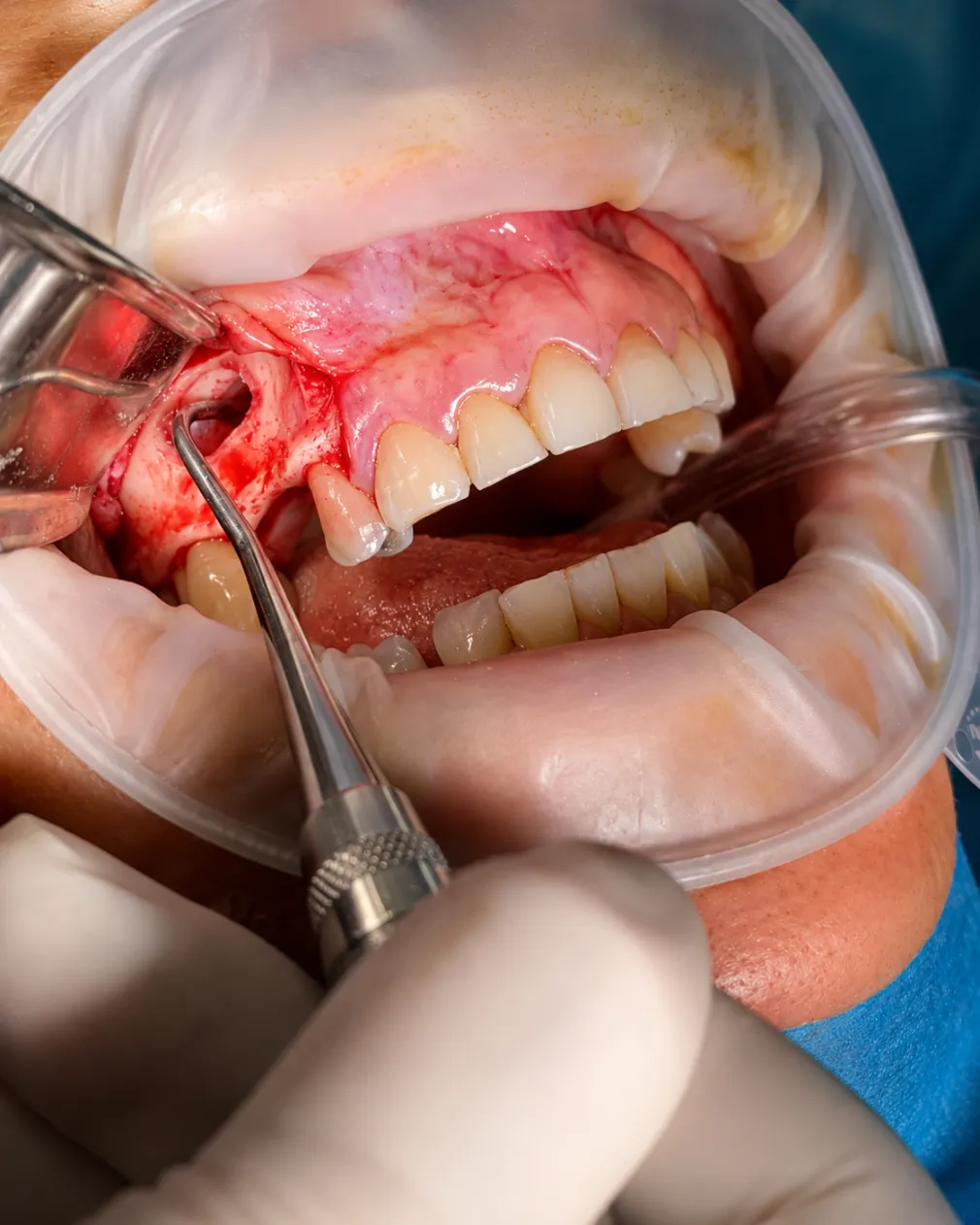
Some dental concerns require a surgical procedure to remove a damaged tooth, treat supporting tissues, or prepare the mouth for another treatment. The right approach depends on the diagnosis, your health history, the complexity of the procedure, and the experience and facilities required for your care.

Wellington Dental Clinic can assess your concern, explain appropriate options, and determine whether treatment can be completed at the clinic or should be referred to a dental specialist. Book an assessment to discuss your next step.

Book Your Spot for Expert Dental Care

What Is Oral Surgery?

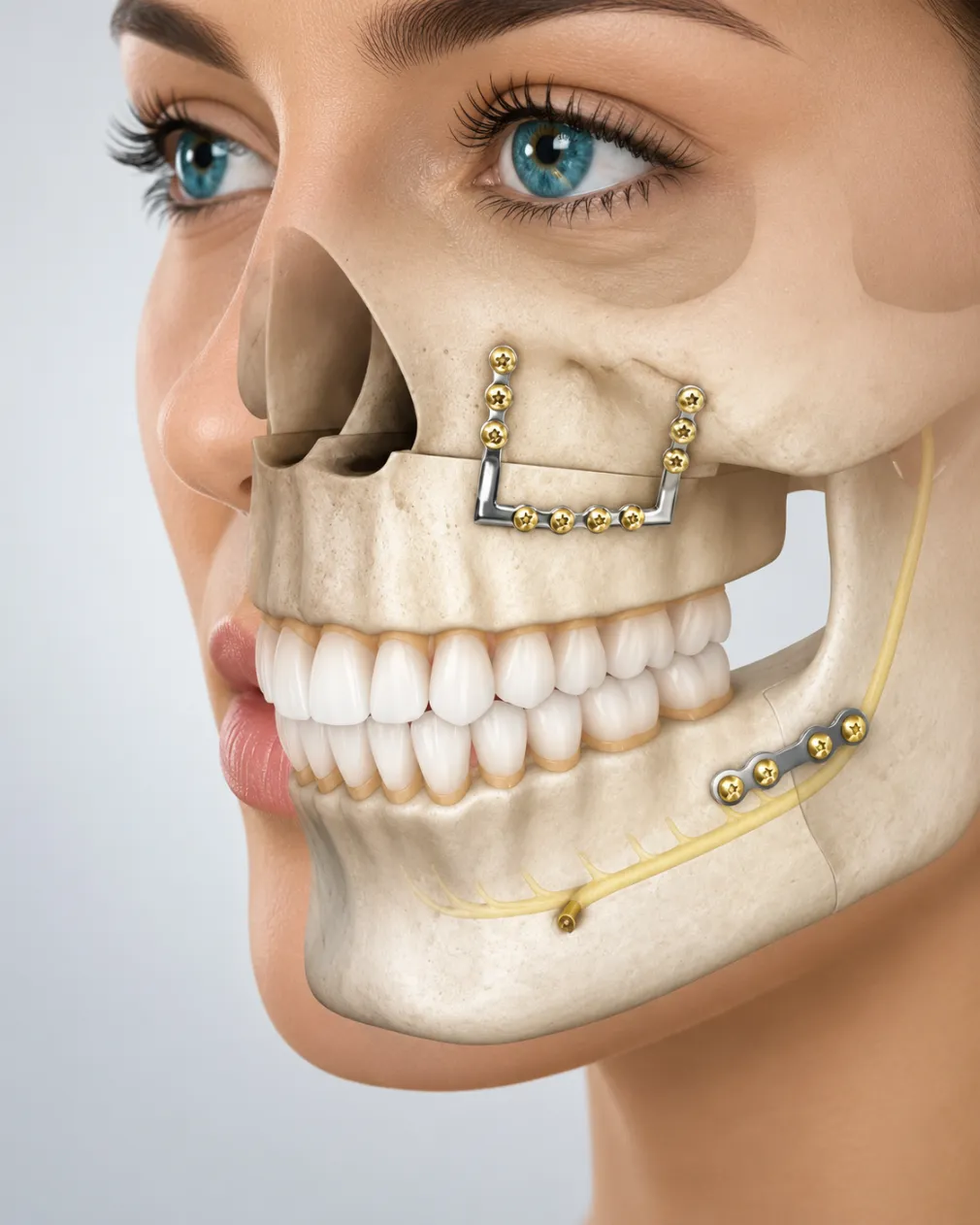
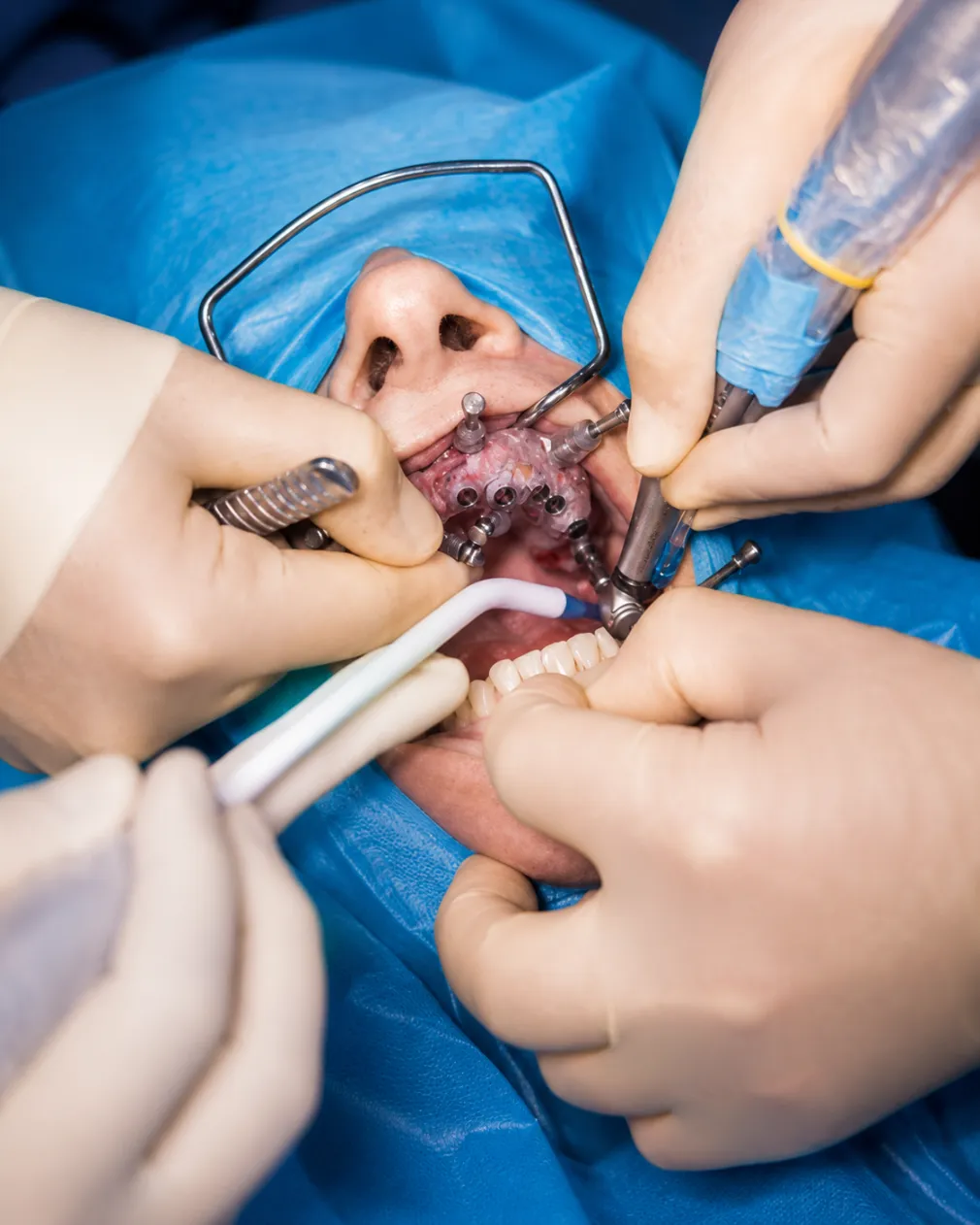
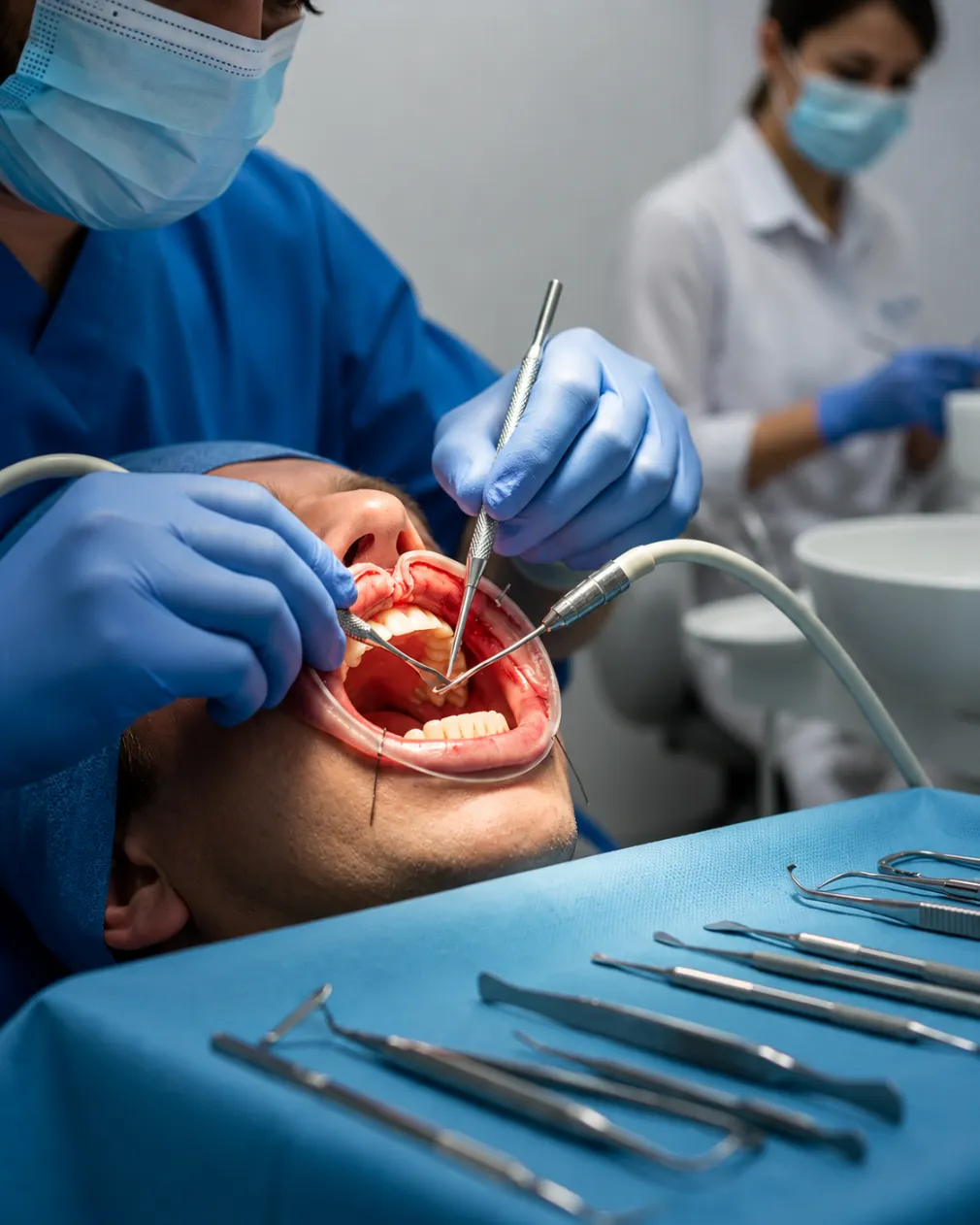
Oral surgery includes procedures involving the teeth, gums, jawbone, and nearby oral tissues. Some minor procedures can be performed by a general dentist with appropriate training. More complex cases may require referral to a certified oral and maxillofacial surgeon, periodontist, or another dental specialist.

An assessment is necessary before recommending treatment. The dentist may review your symptoms, examine your mouth, take or request diagnostic images, and consider your medications and medical conditions before discussing benefits, limitations, risks, and alternatives.

When Might an Oral Surgery Assessment Be Needed?

A dentist may recommend an oral surgery assessment for concerns such as:

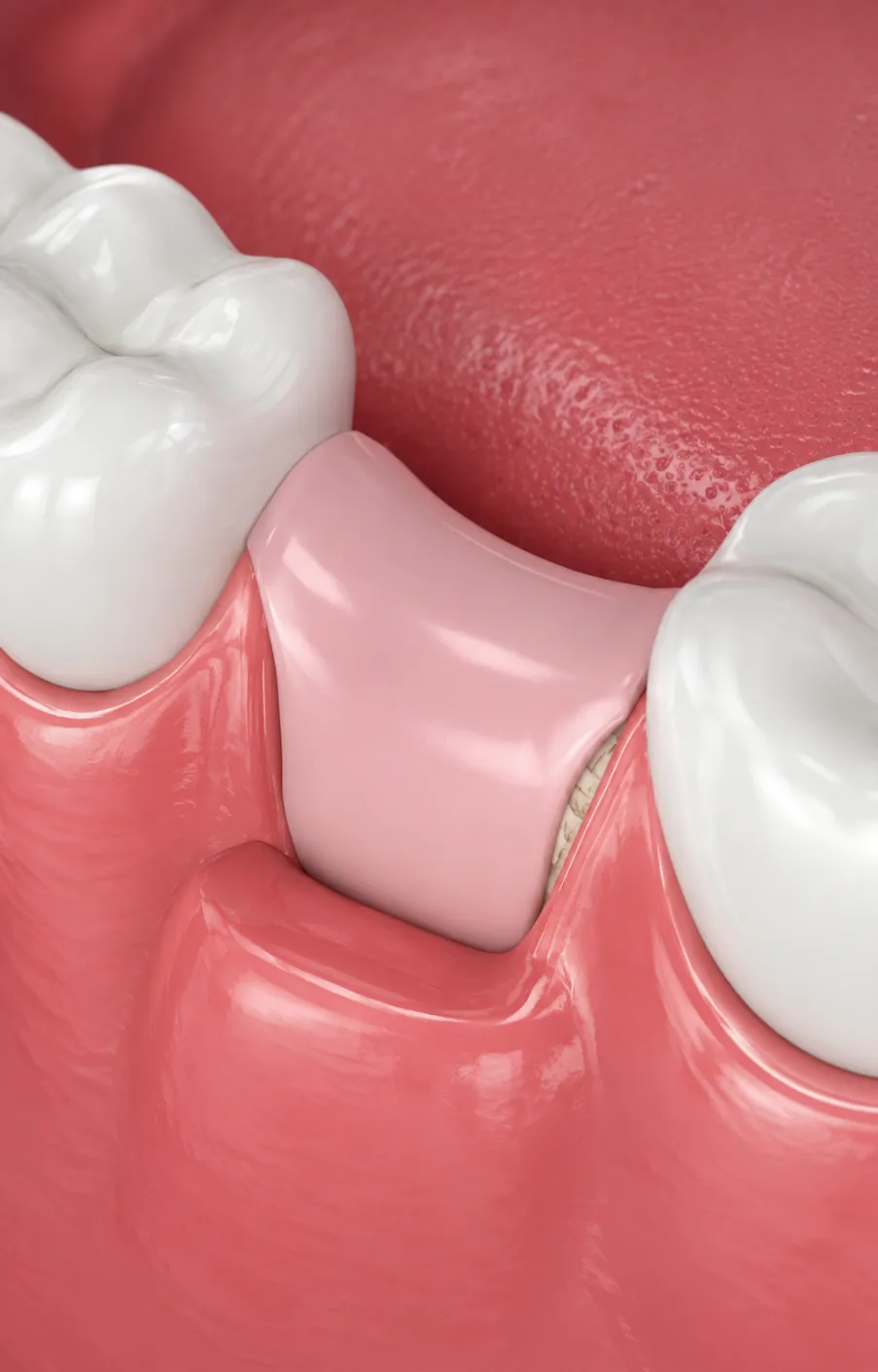
  • A tooth that is severely damaged, decayed, infected, or cannot be predictably restored
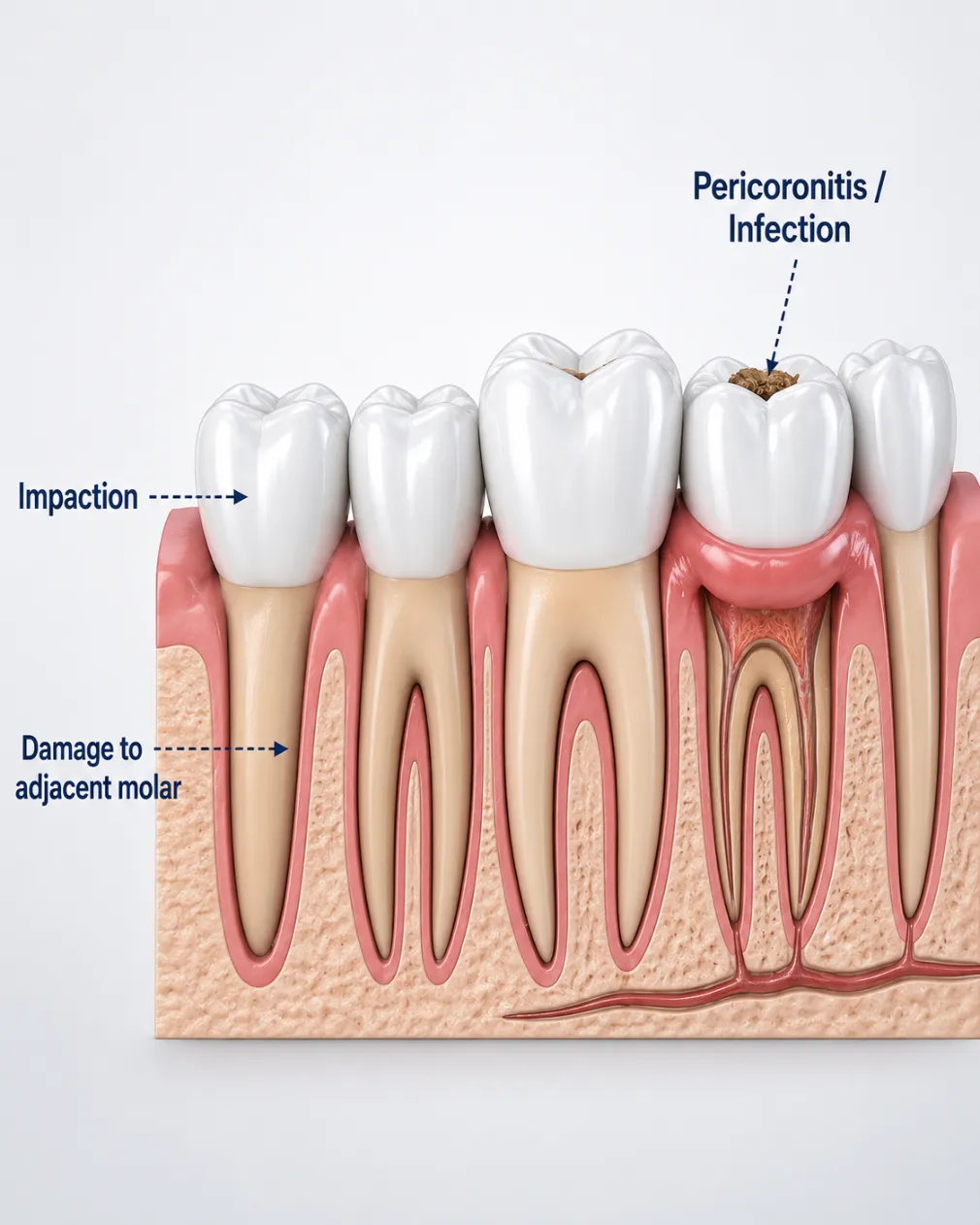
  • Wisdom teeth that are impacted, partly erupted, infected, or affecting nearby structures
  • Insufficient jawbone in an area being assessed for dental implant treatment
  • Gum or supporting-tissue concerns that have not responded to non-surgical care
  • An oral condition whose complexity or risk requires specialist assessment

These concerns do not automatically mean that surgery is necessary. Your dentist will first assess whether non-surgical care, monitoring, restoration, or referral is more appropriate.

Oral Surgery Services and Assessments

This page provides an overview of the clinic’s oral-surgery category. Each treatment requires its own assessment, and availability should be confirmed before booking.

What to Expect Before Oral Surgery

Assessment and diagnosis. The dentist reviews the concern, your symptoms, health history, medications, allergies, and previous dental treatment.

Diagnostic planning. Current X-rays or other imaging may be needed to evaluate the teeth, roots, bone, nerves, sinuses, or nearby structures.

Treatment discussion. You should receive an explanation of the recommended procedure, reasonable alternatives, material risks, expected recovery, fees, and whether referral is advised.

Preparation instructions. Follow the instructions given for eating, drinking, medications, transportation, and oral hygiene. These vary with the procedure and any sedation used.

Consent and scheduling. Ask questions before consenting. Some procedures can be scheduled at the clinic, while complex cases may be coordinated with a specialist.

Comfort, Sedation, and Recovery

The comfort plan depends on the procedure and your health. Local anaesthetic is commonly used for dental surgery. Other options require an individual assessment and must be provided within the practitioner’s authorization and facility requirements.

If you are anxious about treatment, discuss this before the appointment and review the clinic’s sedation therapy information. Do not assume a particular sedation level is available or appropriate until the clinic confirms it.

After the procedure, follow the written instructions provided for your case. Some pain, swelling, bruising, or minor bleeding can occur after oral surgery, but the expected pattern varies. Contact the dental team if you are unsure about your recovery or if symptoms are worsening.

When to Seek Prompt Help

Call the clinic or the treating provider if you have concerns after surgery. Seek prompt professional advice for:

  • Bleeding that is heavy or does not improve with the instructed pressure
  • Pain or swelling that becomes more severe instead of improving as expected
  • Fever, discharge, a bad taste, or other signs of possible infection
  • Difficulty breathing or swallowing
  • A medication reaction, persistent numbness, or another unexpected symptom

Call 911 or seek emergency medical care for difficulty breathing, severe swelling affecting the airway, uncontrolled bleeding, or another life-threatening concern.

Your Questions Answered

Frequently Asked Questions

Everything you need to know about your visit to our Guelph clinic.

Do I need a referral for oral surgery?

You can contact Wellington Dental Clinic for an assessment. If your procedure requires care outside the clinic’s scope, the dentist can recommend and coordinate an appropriate specialist referral. A specialist office or dental plan may have its own referral requirements.

Does every impacted wisdom tooth need to be removed?

No. The recommendation depends on symptoms, disease, damage to nearby structures, position, age, health, and other clinical factors. The dentist will review the expected benefits and risks of removal, monitoring, or referral.

Will I be awake during oral surgery?

That depends on the procedure and the anaesthesia or sedation plan. Many dental procedures use local anaesthetic while the patient remains awake. Any additional sedation requires assessment, informed consent, and suitable transportation and recovery arrangements.

How long does recovery take after oral surgery?

Recovery varies by procedure, complexity, health, and individual healing. Your treating provider will give case-specific instructions and explain when you may return to work, school, exercise, and a normal diet.

Can I drive home after oral surgery?

It depends on the procedure and medications used. You must not drive when your provider instructs you to arrange an adult escort, including after certain forms of sedation. Confirm transportation requirements before the appointment.

Does dental insurance cover oral surgery?

Coverage varies by procedure, provider, plan rules, preauthorization requirements, and annual limits. Ask for a treatment estimate and confirm your benefits before treatment. You may still have an out-of-pocket amount.

Book an Oral Surgery Assessment in Guelph

An assessment can clarify whether you need surgery, which procedure may be appropriate, and whether your care should be completed at Wellington Dental Clinic or by a dental specialist.

Contact Wellington Dental Clinic or book online to arrange an oral surgery assessment in Guelph. If you have pain, swelling, trauma, or another urgent concern, tell the team when you contact the clinic.

Why Guelph Patients Choose Wellington Dental Clinic

Experienced & Qualified

Our dentists are trained across all areas of general dentistry, from routine procedures to emergency care.

Collaborative Care

We work closely with specialists like orthodontists to ensure comprehensive, tailored treatment.

All Ages Welcome

Our fully licensed team treats children, adults, and seniors at every stage of life.

We're located at 86 Gordon St Unit-D, Guelph, ON N1H 4H6.