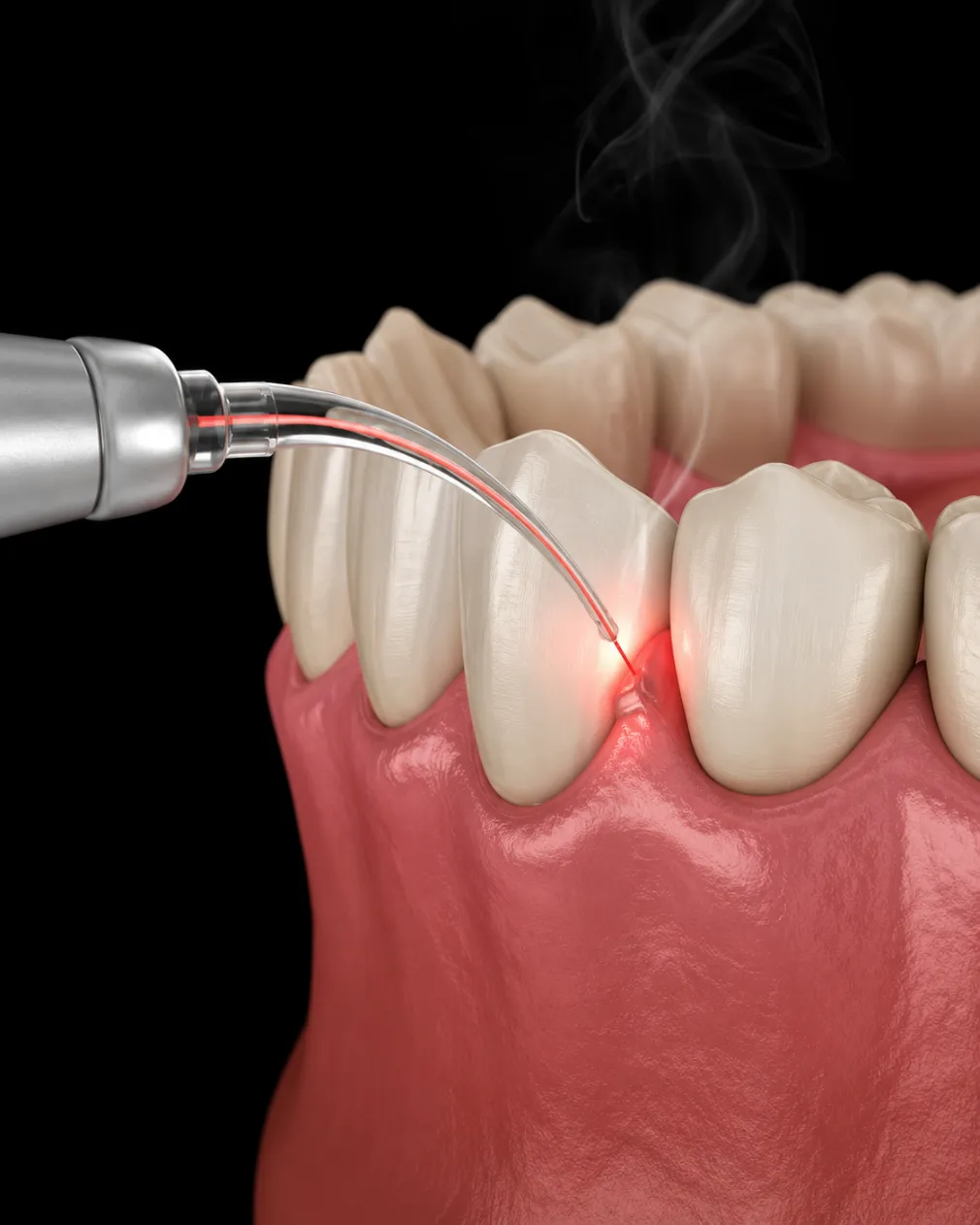
Take the next step toward healthier gums with personalized care and clear guidance on your treatment options.
When gum disease, recession, or the shape of the gumline cannot be managed with non-surgical care alone, gum surgery may be considered. Wellington Dental Clinic can assess your gums, explain appropriate options, and determine whether treatment can be provided at the clinic or requires referral to a periodontist or another specialist.
Gum surgery, also called periodontal surgery, includes procedures that treat the gums and other tissues supporting the teeth. Depending on the diagnosis, treatment may be used to improve access for cleaning below the gumline, cover an exposed root, reshape gum tissue, prepare a tooth for restoration, or support damaged tissue.
The right procedure depends on an examination, periodontal measurements, dental imaging when indicated, your medical and dental history, and the condition of the teeth, gums, and supporting bone.
An assessment may be recommended when you have:
These findings do not automatically mean surgery is needed. Some patients first need improved home care, periodontal maintenance, or scaling and root planing. Others may need specialist assessment.
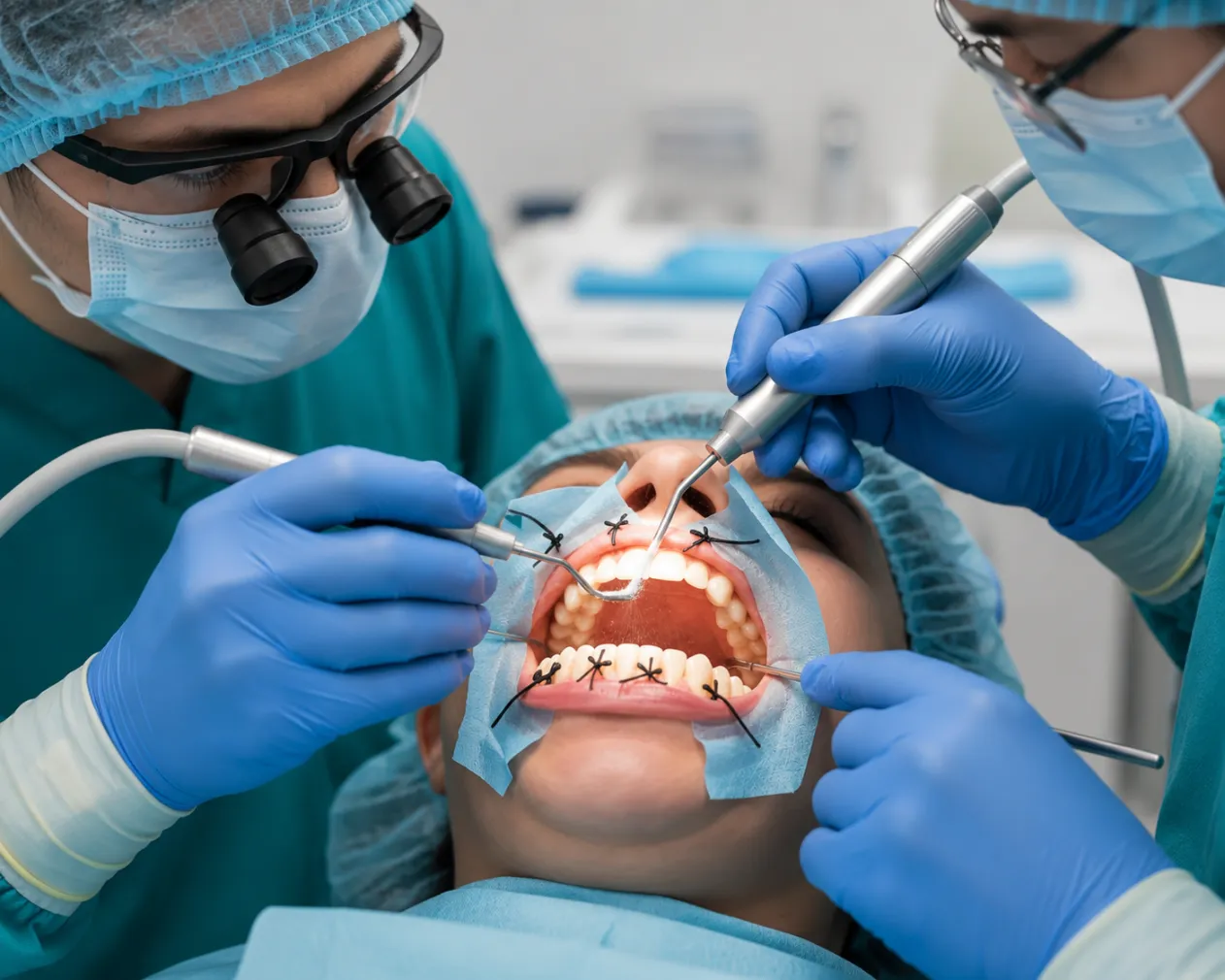
The gum is carefully lifted to provide access to root surfaces and deeper periodontal areas. The site is cleaned and the gum is repositioned and secured. The exact approach depends on the defect and treatment goal.
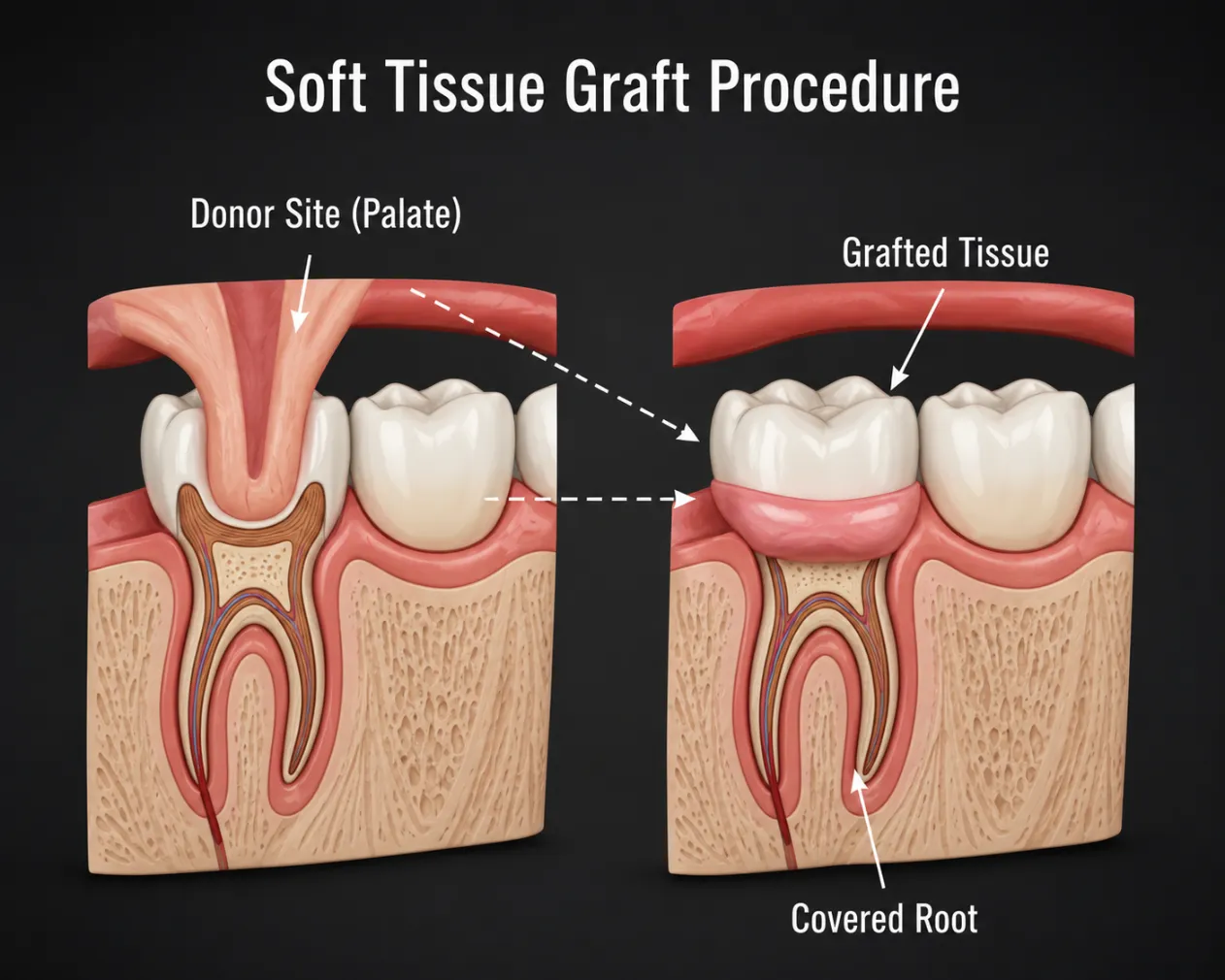
Gum tissue or an approved grafting material may be placed in an area of recession. The goal may be to increase tissue thickness, protect an exposed root, improve comfort, or support cleaning. Complete root coverage cannot be guaranteed.
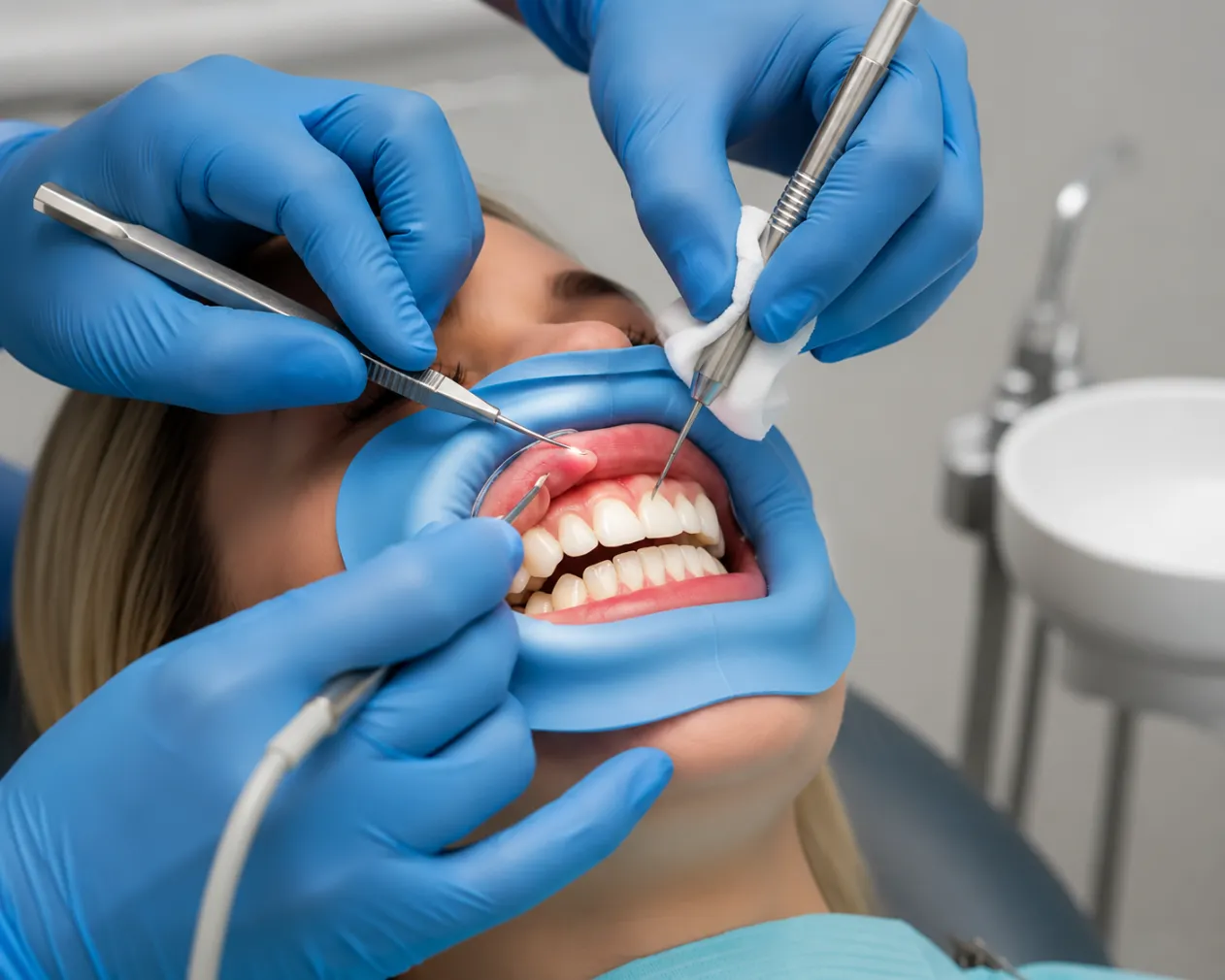
A gingivectomy removes selected gum tissue, while gingivoplasty reshapes it. These procedures may be considered for periodontal, restorative, or cosmetic reasons after assessment.
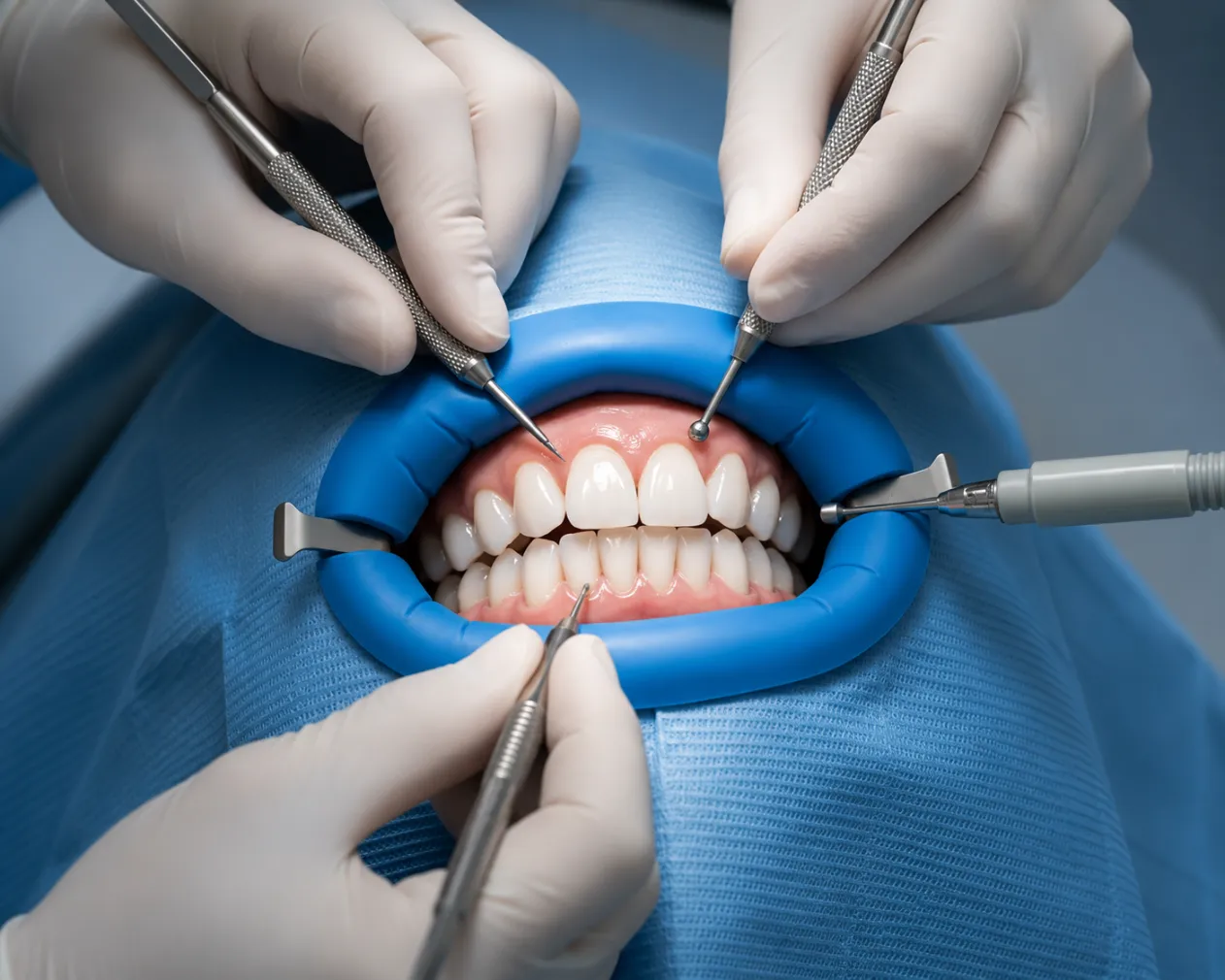
Gum tissue, and sometimes supporting bone, is reshaped to expose more tooth structure. This may help a dentist access decay or place a restoration, or it may be used to change the gumline when clinically appropriate.
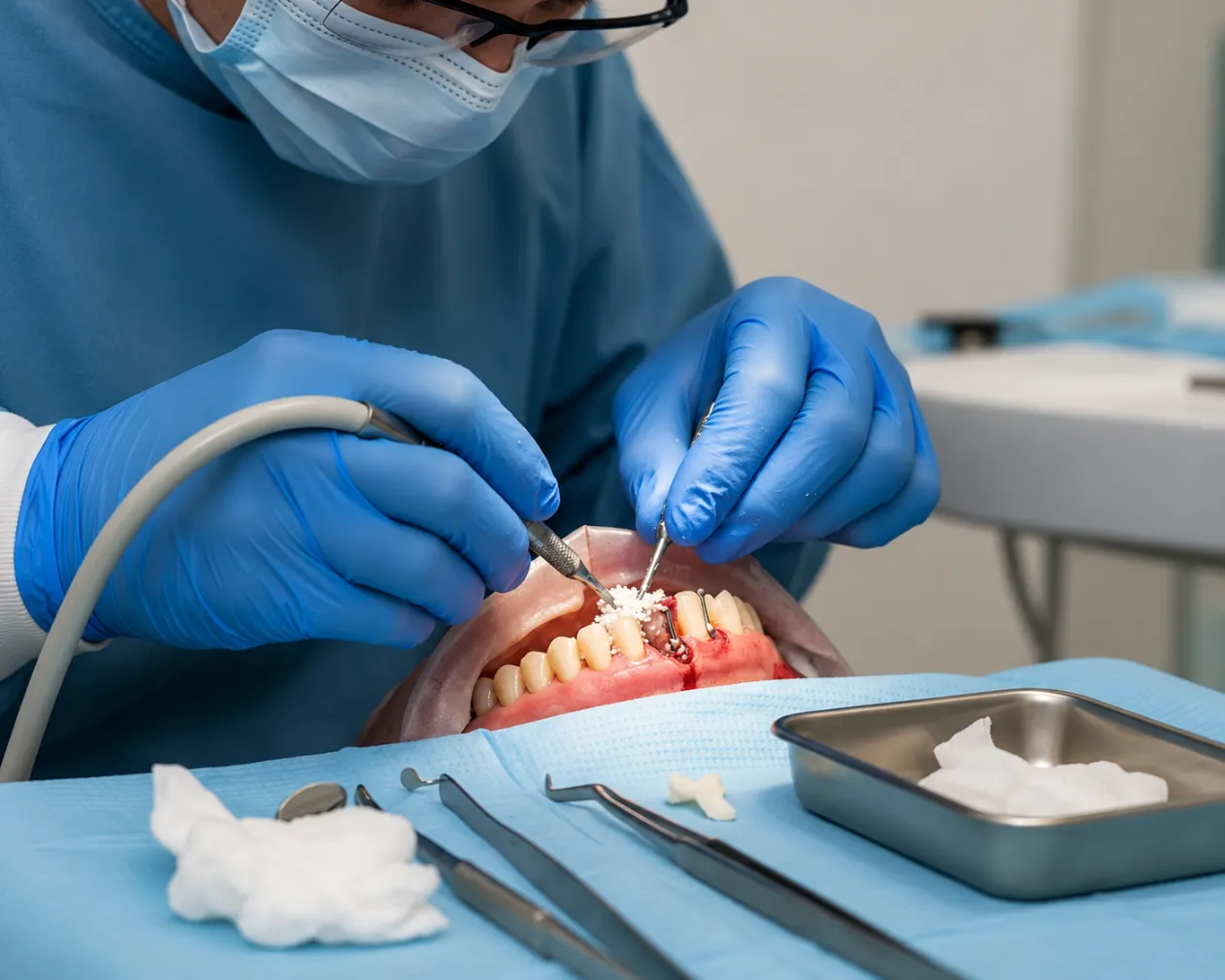
In selected periodontal defects, grafting materials or other regenerative techniques may be considered to support repair of tissues around a tooth. Suitability and expected results depend on the type of defect and patient-specific factors.
Before any surgical recommendation, the dental team may:
For some patients, scaling and root planing and ongoing periodontal maintenance are completed before surgery is considered.
The procedure and comfort measures depend on the treatment area, complexity, and care plan. Local anaesthetic is commonly used for periodontal procedures. Other comfort options should only be discussed after reviewing your health, medications, transportation needs, and the clinic's verified sedation services.
The clinician should explain the planned procedure, alternatives, material risks, expected benefits, aftercare, and whether stitches or follow-up visits are anticipated before you consent to treatment.
Recovery varies by procedure and by patient. Follow the instructions provided for your specific surgery rather than a fixed general timeline. You may be advised to:
Contact the clinic if bleeding does not slow with the instructions provided, or if pain, swelling, fever, discharge, or another symptom is severe or worsening. Seek urgent care for trouble breathing or swallowing, rapidly spreading swelling, or another serious reaction.
Surgery does not permanently remove the risk of gum disease or recession. Daily plaque control, professional maintenance, and management of risk factors remain important. Your recall schedule should be based on your gum health, response to treatment, and individual risk.
Everything you need to know about your visit to our Guelph clinic.
If you have receding gums, persistent periodontal pockets, or concerns about your gumline, start with an assessment. Wellington Dental Clinic can explain whether non-surgical care, gum surgery, or specialist referral is appropriate. Book your appointment online, call 226-314-3614, or contact our Guelph clinic.
Our dentists are trained across all areas of general dentistry, from routine procedures to emergency care.
We work closely with specialists like orthodontists to ensure comprehensive, tailored treatment.
Our fully licensed team treats children, adults, and seniors at every stage of life.

