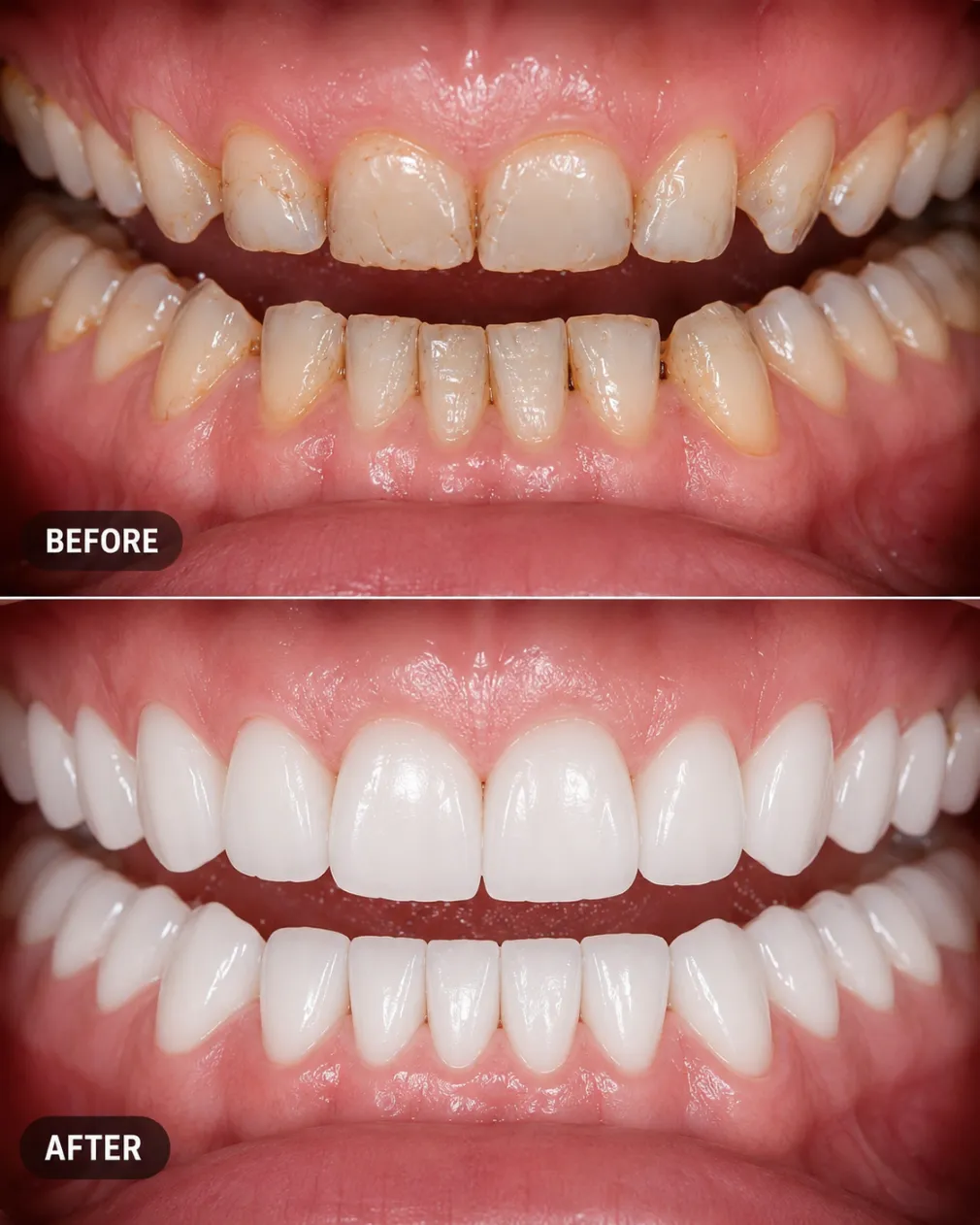
Restore your smile with a coordinated treatment plan tailored to your health, comfort, and goals.
When several teeth are missing, worn, damaged, or affected by decay, treating one concern at a time may not provide a complete solution. Full mouth restoration combines appropriate dental treatments in a coordinated plan to improve the health, function, and appearance of your smile.
Book an appointment to discuss your concerns and possible next steps.
Full mouth restoration, sometimes called full mouth reconstruction, is a treatment approach for people with multiple dental concerns affecting many teeth. It is not one procedure. Instead, it may combine restorative, periodontal, surgical, orthodontic, or cosmetic care in a planned sequence.
The first priority is to address active oral health concerns. The next steps focus on restoring comfortable function and creating a result that works with your remaining teeth, gums, and bite.
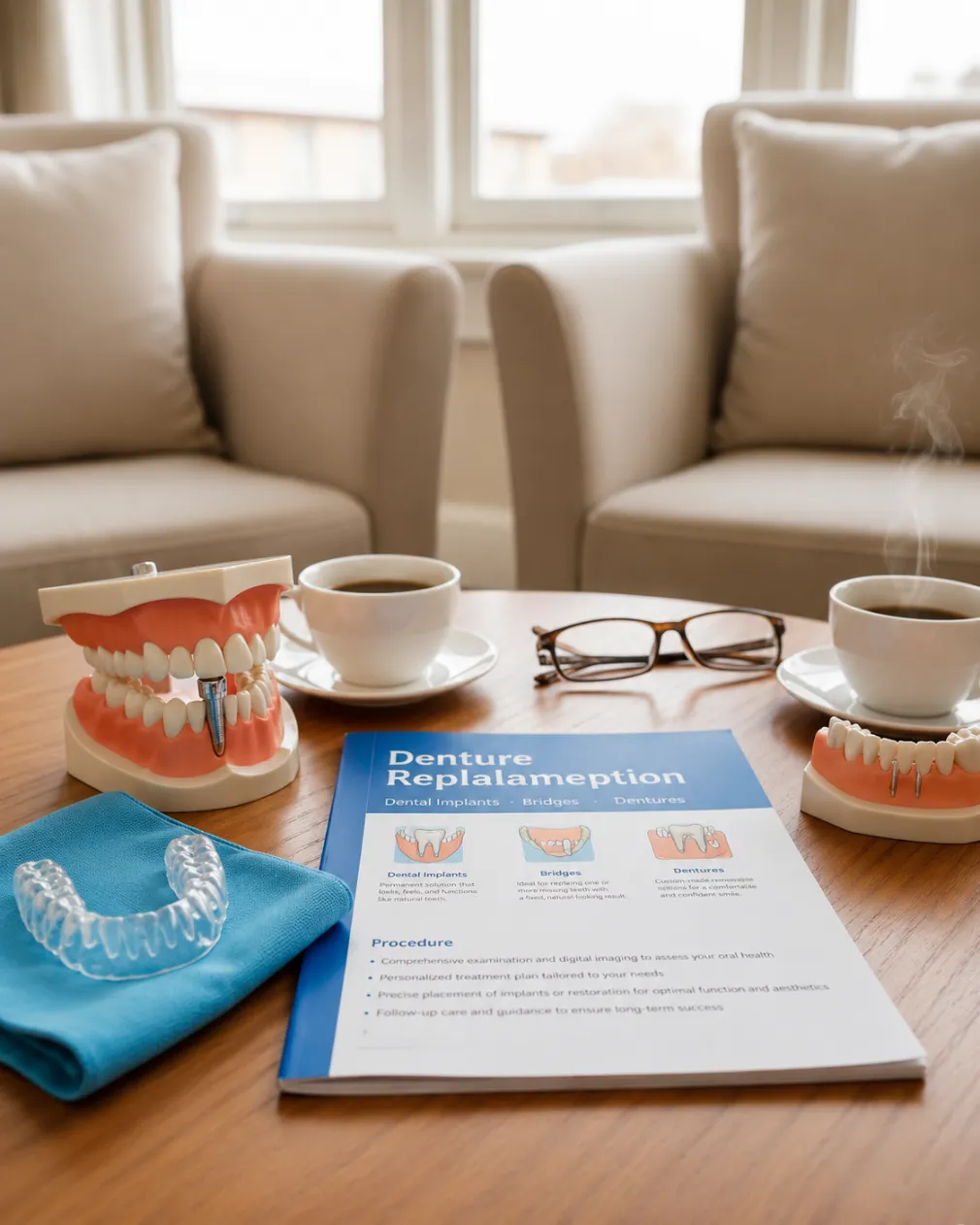
A dentist may discuss a comprehensive restoration plan when you have several related problems that cannot be managed effectively with a single treatment. These may include:
These concerns do not automatically mean you need full mouth restoration. A dental examination is required to identify the cause of the damage and determine whether comprehensive treatment or a more limited approach is appropriate.
Your plan will depend on which teeth can be preserved, which teeth need replacement, the condition of your gums and jawbone, and your priorities. Recommended care may include:
Depending on your needs, you may want to learn more about dental crowns, dental bridges, or dental implants. Your dentist can explain the benefits, limitations, and sequence of the options relevant to you.
Full mouth restoration usually begins with a detailed assessment rather than a predetermined list of procedures.
Your dentist will review your concerns and health history, examine your teeth and gums, and assess how your bite functions. Diagnostic records may be recommended when needed to evaluate areas that cannot be assessed through a visual examination alone.
Urgent problems such as pain, infection, active decay, or gum disease are generally addressed before elective appearance-related changes. Your dentist will also identify which teeth may be preserved and which replacement options merit discussion.
Complex care may be divided into stages. You should receive an explanation of the recommended sequence, alternatives, expected appointments, and estimated fees before treatment begins. The timeline varies with the procedures involved and any healing required between stages.
Restored teeth and replacement teeth still require daily care and professional monitoring. Your maintenance plan may include brushing, cleaning between teeth, dental examinations, professional cleanings, and a protective appliance if your dentist recommends one.
A coordinated plan can help address several connected concerns in a logical order. Depending on your condition and treatment choices, care may improve chewing, protect weakened teeth, replace missing teeth, and create a more balanced appearance.
Results, treatment length, maintenance needs, and cost vary. Some teeth may not be predictable to preserve, and certain options depend on gum health, available bone, general health, or healing. Your dentist will explain these factors so you can weigh the available choices without assuming that the most extensive option is always the best one.

Everything you need to know about your visit to our Guelph clinic.
Wellington Dental Clinic provides restorative dentistry in Guelph and can coordinate a plan based on your current oral health and priorities. The team will explain the recommended options and their trade-offs so you can make an informed decision.
Our dentists are trained across all areas of general dentistry, from routine procedures to emergency care.
We work closely with specialists like orthodontists to ensure comprehensive, tailored treatment.
Our fully licensed team treats children, adults, and seniors at every stage of life.
