Home
About
Services
Contact
Menu
General Dentistry Cosmetic Dentistry Restorative Dentistry Oral Surgery Orthodontics Emergency Dentistry Scaling and Root Planing Sedation Therapy Gum Surgery
CDCP Services
Book Online
Dental Crown Restoration Services

Dental Crown Restoration in Guelph

Protect and restore a weakened tooth with a natural-looking crown tailored to your smile.

Dental Crown Under Restorative Dentistry
Wellington Dental Clinic

Renewed Strength and Function for Your Smile

A damaged or weakened tooth may need more protection than a filling can provide. A dental crown covers the visible part of the tooth to help restore its shape, strength, and function. Wellington Dental Clinic can assess the tooth, explain whether a crown is appropriate, and review the available restoration options with you.

Book Your Spot for Expert Dental Care

What Is a Dental Crown?

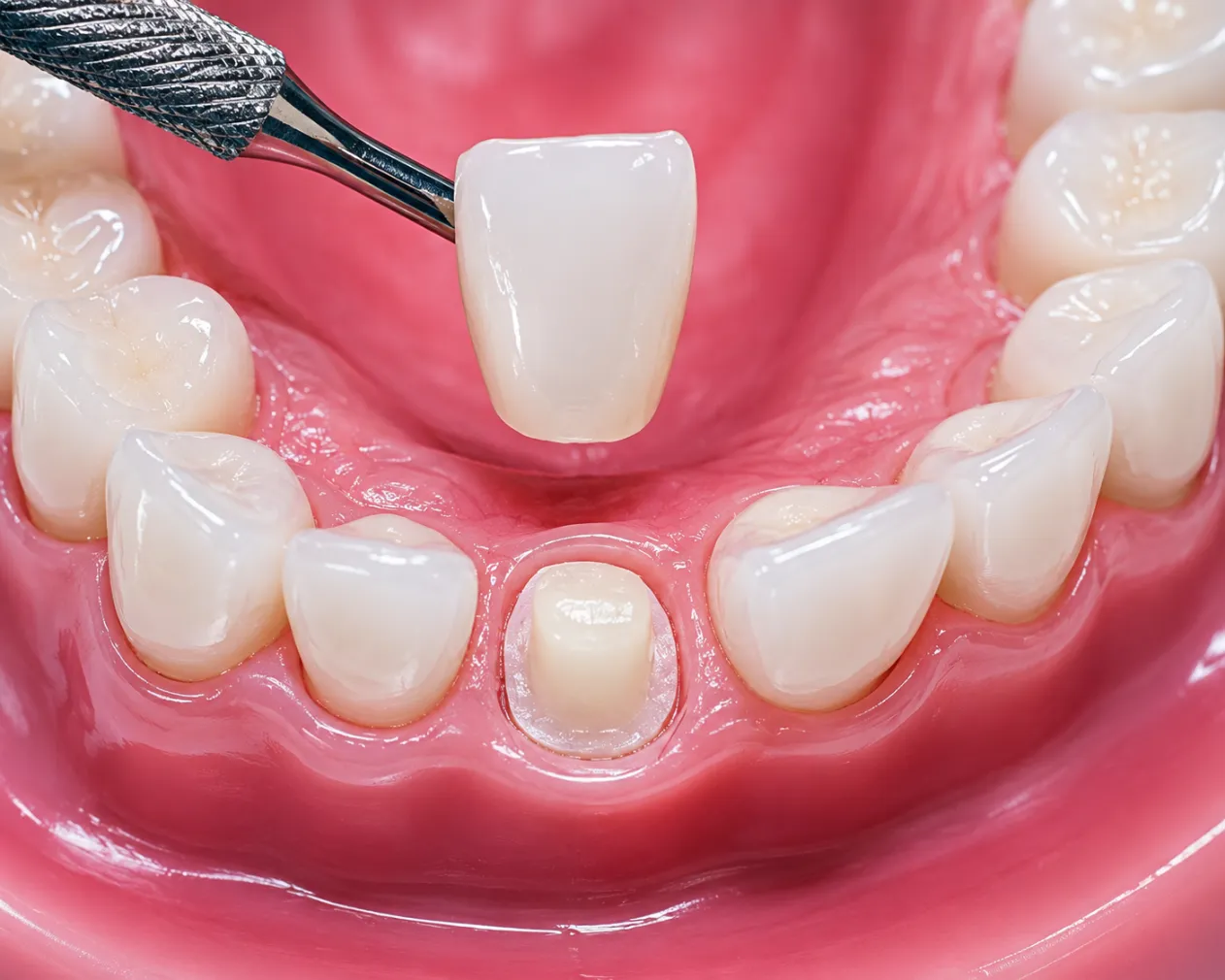
A dental crown, sometimes called a cap, is a custom restoration placed over a prepared tooth. It may protect remaining tooth structure, restore a broken or worn tooth, support a tooth after root canal treatment, or improve shape and appearance when clinically appropriate.

A crown is different from a filling. A filling repairs a specific area within a tooth, while a crown covers most or all of the visible tooth above the gumline. Because crown preparation removes some natural tooth structure, your dentist should first determine whether a filling, onlay, crown, or another option best fits the condition of the tooth.
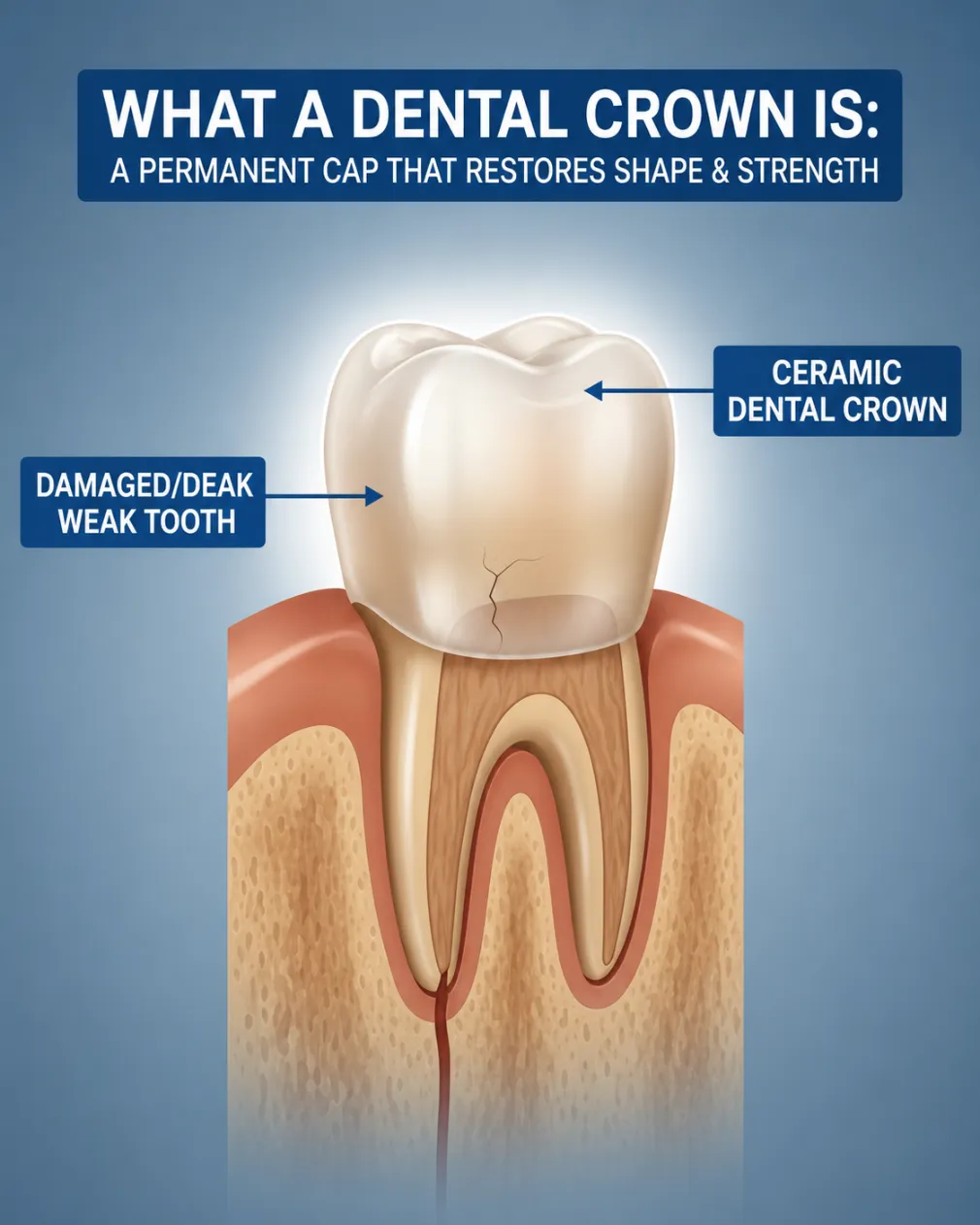
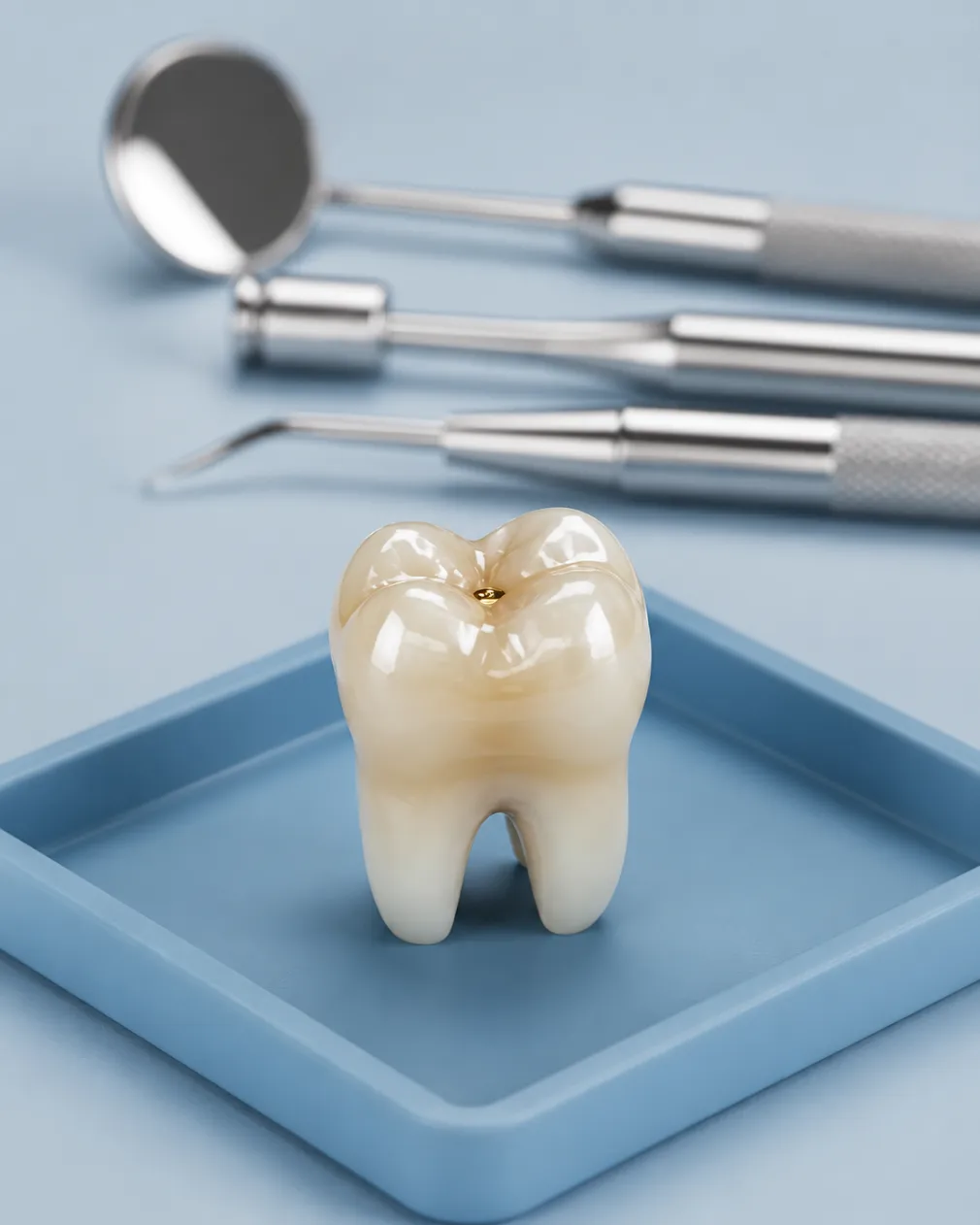
What a Dental Crown Is
When a Crown Is Needed

When Might a Crown Be Recommended?

A dental crown may be considered for a tooth with:

  • A large cavity or filling that leaves limited tooth structure
  • A crack, fracture, or significant wear
  • Weakness after root canal treatment
  • Shape, colour, or structural concerns that cannot be managed conservatively
  • A dental implant that is ready for its final tooth restoration
  • A role in supporting a dental bridge

Not every cracked, discoloured, root canal-treated, or heavily filled tooth needs the same restoration. An examination and dental imaging, when indicated, help determine whether the tooth can be restored and which treatment is appropriate.

Dental Crown Materials

Crowns can be made from ceramic, porcelain-based, metal, resin, or combined materials. The choice depends on the tooth's location, the amount of remaining structure, your bite, appearance goals, material limitations, and the dentist's clinical recommendation.

No single material is best for every tooth. Ask how the proposed material may affect appearance, wear, fracture risk, tooth preparation, cost, and expected maintenance. Wellington Dental should confirm the crown materials it currently provides before publishing a clinic-specific list.

What to Expect When Getting a Crown

The exact process and number of appointments depend on the tooth, the restoration, and how the crown is made. A conventional crown process may include:
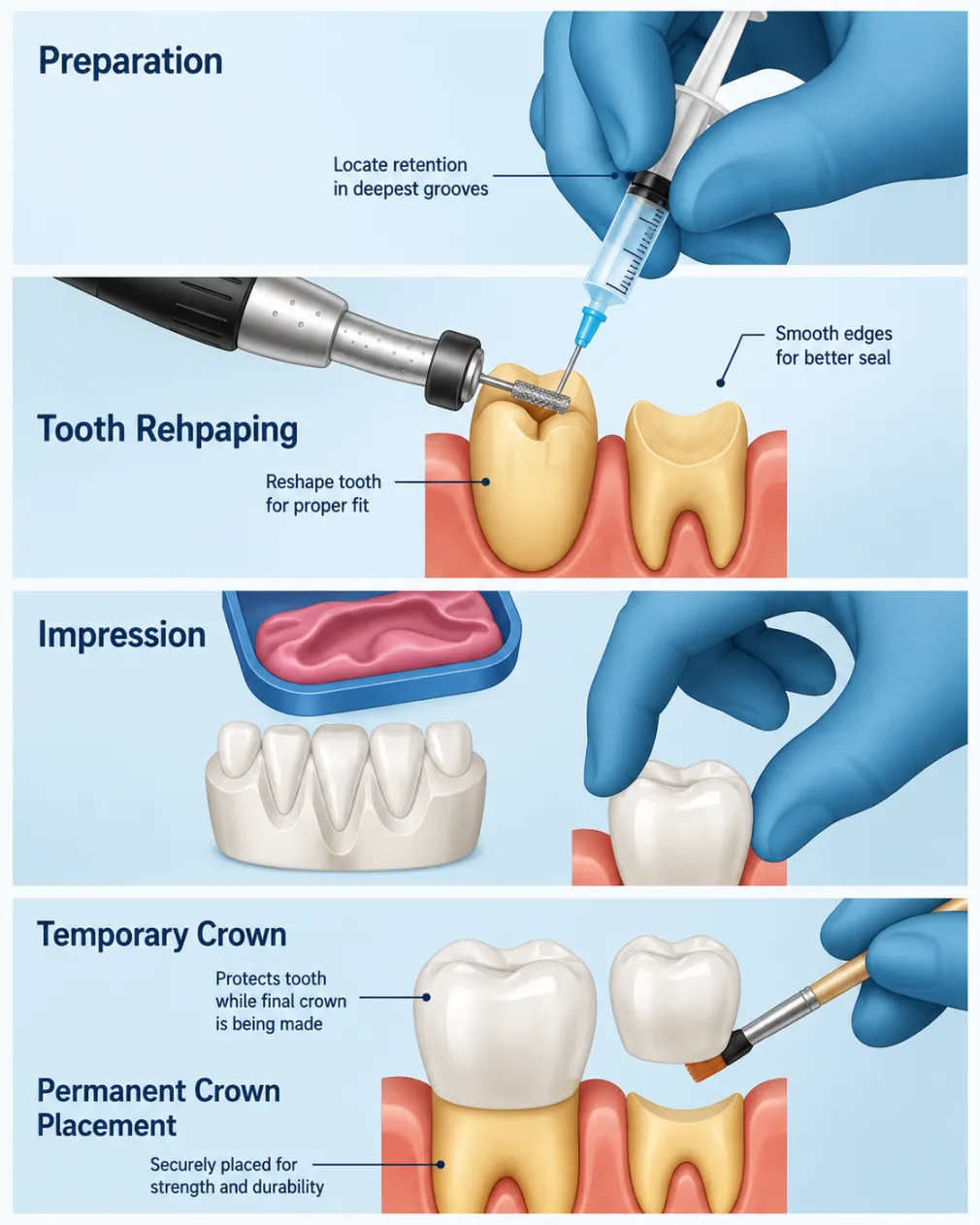
  • Assessment and planning: The dentist examines the tooth, bite, gums, and nearby structures and may take X-rays or other records.
  • Tooth preparation: Decay or damaged material is removed, and the tooth is shaped to create room and support for the crown. Local anaesthetic may be used according to the procedure and your care plan.
  • Impression or scan: A mould or digital scan records the prepared tooth, surrounding teeth, and bite so the crown can be made to fit.
  • Temporary restoration: If the final crown is not placed at the same visit, a temporary crown may protect the prepared tooth while the permanent restoration is made.
  • Final placement: The dentist checks the crown's fit, contacts, bite, and appearance as applicable before it is bonded or cemented.
  • Additional treatment may be needed before a crown if the tooth has deep decay, an infection, insufficient remaining structure, or gum-related concerns. Your dentist should explain any change to the plan before proceeding.
The Procedure

Caring for a Temporary Crown

If you receive a temporary crown, follow the instructions provided by the clinic. Until the final crown is placed, you may be advised to:

  • Avoid sticky or very hard foods on the treated side
  • Brush gently around the temporary crown
  • Clean between the teeth as instructed so the temporary is not dislodged
  • Contact the clinic if the temporary crown loosens, breaks, or comes off
  • Attend the final placement appointment as scheduled

Caring for Your Dental Crown

A crown cannot decay, but the tooth at its edge can still develop decay or gum problems. Brush twice daily with fluoride toothpaste, clean between your teeth, and attend dental examinations and cleanings based on your oral-health needs.

Avoid using your teeth to open packages and limit habits such as chewing ice or other hard objects. If you grind or clench your teeth, ask whether a protective appliance is appropriate. Crowns do not last indefinitely, and their service life varies with the tooth, material, bite forces, oral hygiene, and other factors.

When to Contact the Dentist

Contact the clinic if a crown feels loose, breaks, repeatedly traps food, changes your bite, or causes persistent pain or sensitivity. Prompt assessment is also important if the tooth or surrounding gum becomes swollen. A lost crown should be evaluated rather than glued back in place with household adhesive.

If a damaged tooth is causing severe pain, swelling, trauma, or another urgent concern, use the clinic's emergency dentistry service or seek urgent medical care when symptoms affect breathing or swallowing.

Your Questions Answered

Frequently Asked Questions

Everything you need to know about your visit to our Guelph clinic.

How do I know if I need a dental crown?

A crown may be recommended when a tooth is too damaged or weak for a filling alone, but only an examination can confirm the right restoration. The dentist may assess the tooth, bite, gums, existing fillings, symptoms, and X-rays before recommending treatment.

Does getting a dental crown hurt?

Local anaesthetic may be used during tooth preparation according to the procedure and your care plan. You may notice temporary tenderness or sensitivity afterward. Tell the clinic if discomfort is severe, worsening, or does not improve as expected.

How many appointments does a dental crown take?

The number of appointments depends on the condition of the tooth and how the crown is made. A laboratory-made crown often involves preparation and temporary placement followed by a final fitting, while other workflows may differ. The clinic should confirm the process available for your case.

How long does a dental crown last?

There is no guaranteed lifespan. Longevity depends on the crown material, the supporting tooth, bite forces, oral hygiene, diet, grinding or clenching, and regular care. A crown may eventually need repair or replacement.

Can a tooth decay under a crown?

Yes. Decay can develop where the crown meets the tooth, especially if plaque collects around the margin. Daily brushing, cleaning between the teeth, and appropriate dental visits help protect the tooth and gums.

What should I do if my crown comes off?

Keep the crown if you can find it and contact the clinic promptly. Avoid chewing on the exposed tooth and do not use household glue. The dentist will assess whether the crown can be recemented or whether the tooth or restoration needs further treatment.

Book a Dental Crown Assessment in Guelph

If you have a broken, heavily filled, worn, or root canal-treated tooth, Wellington Dental Clinic can assess whether a crown or another restorative dentistry option is suitable. Book your appointment online, call 226-314-3614, or contact the clinic.

Why Guelph Patients Choose Wellington Dental Clinic

Experienced & Qualified

Our dentists are trained across all areas of general dentistry, from routine procedures to emergency care.

Collaborative Care

We work closely with specialists like orthodontists to ensure comprehensive, tailored treatment.

All Ages Welcome

Our fully licensed team treats children, adults, and seniors at every stage of life.

We're located at 86 Gordon St Unit-D, Guelph, ON N1H 4H6.