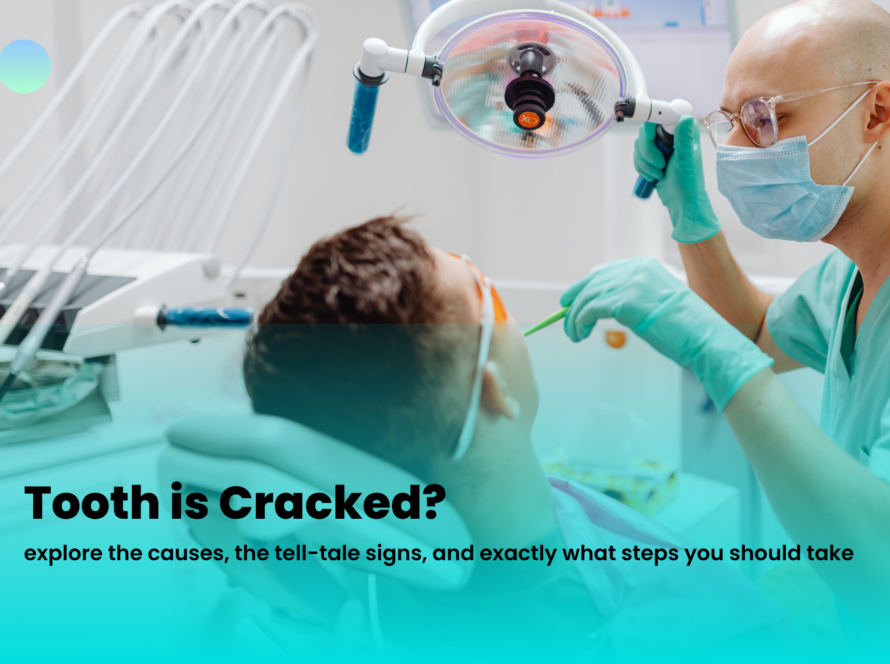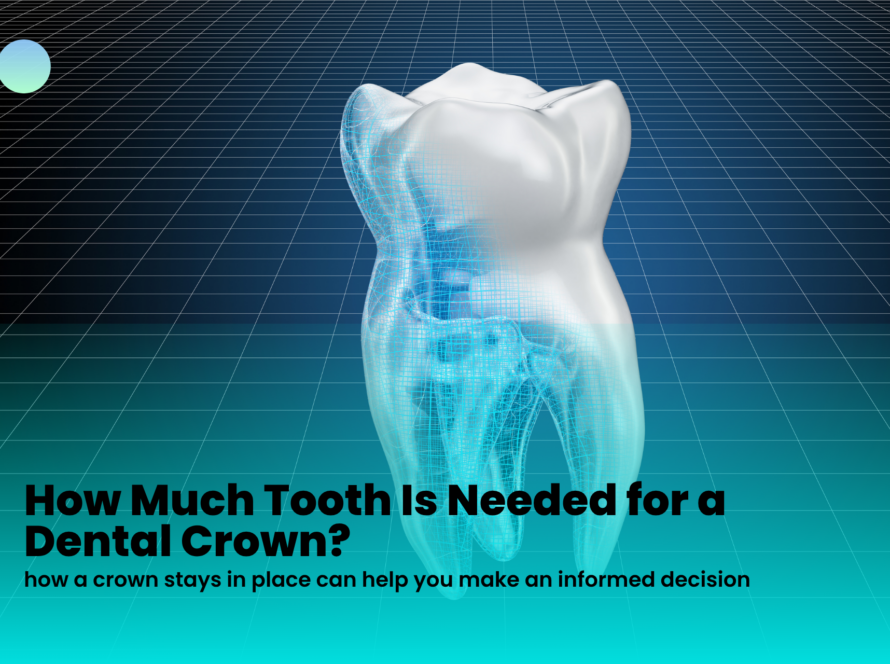


If you’ve recently been told you need a Dental Crown, the first question on your mind-after “Will it hurt?”-is almost always about the time commitment. We live in a busy world, and taking time off for multiple dental visits can feel like a logistical puzzle.
Understanding how long does it takes to get a crown is essential for planning your schedule and managing your expectations. While the technology behind restorative dentistry has advanced significantly by 2026, the process still requires precision, artistry, and, most importantly, time to ensure the restoration lasts for a decade or more.
In this comprehensive guide, we’ll break down exactly how long to get a crown, from the moment you sit in the chair for your consultation to the final “cementing” of your new smile.
The Traditional Timeline: Two Visits, Two Weeks
For most patients visiting a Dental Clinic Guelph, the process follows a traditional two-appointment structure. This “tried and true” method ensures that a professional dental laboratory has enough time to craft a restoration that matches your natural teeth in both strength and aesthetics.
1. The Initial Consultation (30–45 Minutes)
Before any work begins, your dentist needs to evaluate the health of the tooth. Not every damaged tooth is a candidate for a crown; sometimes a filling is enough, or conversely, a root canal might be required first.
During this visit, the Best Guelph Dentist will take X-rays to check the roots and the surrounding bone. If you have significant decay, this is where the treatment plan is mapped out.
2. The First Appointment: Preparation (60–90 Minutes)
This is the “heavy lifting” phase of the process. So, how long does first crown appointment take? Typically, you should set aside an hour and a half.
During this visit, the dentist will:
- Numb the area: Local anesthesia is applied to ensure you don’t feel a thing.
- Reshape the tooth: To make room for the Dental Crown Restoration, the dentist must remove a small amount of enamel from the top and sides of the tooth.
- Take Impressions: This is the blueprint for your permanent crown. Modern clinics often use digital scanners (no more messy putty!) to create a 3D model of your mouth.
- Place a Temporary Crown: Since your natural tooth has been reshaped, it needs protection while the lab works. A temporary crown is cemented with “light” adhesive so it can be easily removed later.
3. The Waiting Period (1–2 Weeks)
Your impressions are sent to a specialized dental laboratory. Here, technicians use high-grade porcelain or zirconia to mill your Dental Crown. This gap in time is necessary to ensure the material is cured and polished to perfection.
4. The Second Appointment: Placement (30–45 Minutes)
Once the lab sends the finished piece back to the clinic, you’ll return for the final step. Many patients ask, how long does it take to put on a permanent crown? The good news is this visit is much shorter.
The dentist will remove the temporary crown, clean the tooth, and “try on” the permanent one. They will check your bite and the “contact points” between your teeth. Once the fit is perfect, it is permanently bonded in place.
The Same-Day Alternative: CEREC Technology
If you are in a rush, you might wonder if there’s a way to shorten the how long does a crown take question. Thanks to advancements in Dentistry in Guelph, some clinics now offer “Same-Day Crowns” using CEREC (Chairside Economical Restoration of Esthetic Ceramics).
With this technology, the entire process-preparation, scanning, milling, and placement-happens in a single 2 to 3-hour appointment. While convenient, same-day crowns aren’t always suitable for teeth that require extra strength (like back molars) or highly complex aesthetic matching.
Factors That Can Change the “How Long” Equation
No two mouths are the same, and several variables can influence the total time you spend in the dental chair:
- Complexity of the Damage: If the tooth is severely broken, the dentist may need to perform a “core buildup” to create enough structure to hold the crown. This adds about 20–30 minutes to the first visit.
- Gum Health: If your gums are inflamed, taking an accurate impression can be difficult. Your dentist might recommend a deep cleaning first, which could delay the crown prep by a week or more.
- Laboratory Backlog: Just like any other craft, high-end dental labs can get busy. If you are getting a custom-shaded crown for a front tooth, the lab might take a few extra days to get the color match exactly right.
- Material Selection: Gold or metal-based crowns can sometimes be processed faster than multi-layered porcelain restorations.
Life With a Temporary: What to Expect
Since the traditional process involves a 14-day waiting period, you’ll be wearing a temporary restoration for a while. It’s important to remember that these are not designed for heavy-duty chewing.
To ensure you don’t have an emergency visit between appointments:
- Avoid Sticky Foods: Caramel and chewing gum can pull the temporary crown right off.
- Slide the Floss: When flossing around a temporary crown, slide the floss out the side rather than pulling it up, which could snag the edge of the restoration.
- Sensitivity is Normal: It’s common to feel a little “zing” with cold water during this phase. Don’t worry-the permanent crown will provide much better insulation.
Frequently Asked Questions
1. How long does it take to get a crown from start to finish?
In a traditional setting, the entire process takes about two weeks. This includes the first appointment for tooth preparation and the second appointment for the final fitting, with a waiting period in between for the lab to manufacture the restoration.
2. How long does the first crown appointment take if I need a root canal?
If a root canal is necessary, it is usually done in a separate visit before the crown preparation. However, some dentists can perform both in a single long session (about 2.5 to 3 hours). Always confirm with your provider if they recommend splitting these procedures to reduce jaw fatigue.
3. Can I drive home after getting a dental crown?
Yes. Since dentists use local anesthesia (numbing) rather than general sedation for a Dental Crown Restoration, you will be fully awake and alert. Your mouth will be numb for a few hours, so just be careful not to bite your cheek!
4. How long does a crown take to “settle” once it’s glued on?
While the cement bonds almost instantly, we usually recommend waiting 24 hours before eating very hard or crunchy foods. This gives the adhesive full time to reach maximum strength. You may feel a slight “tightness” for the first few hours as your surrounding teeth adjust.
5. What should I do if my temporary crown falls out?
Don’t panic! It happens. If you can’t get to the Dental Clinic Guelph immediately, you can often use a tiny dab of toothpaste or over-the-counter dental adhesive to temporarily hold it in place. However, you must call your dentist as soon as possible, as the tooth underneath is vulnerable to shifting and decay.
6. Is the process longer for front teeth?
The “chair time” is usually the same, but the “lab time” might be longer. Front teeth require precise color matching and translucency to look natural. The Best Guelph Dentist may request extra time with the technician to ensure the aesthetics are perfect.
Final Thoughts
While the question of how long does it take to get a crown has a standard answer of two weeks, the real focus should be on the quality of the result. A rushed crown is a crown that fails. By investing those few hours in the clinic and a couple of weeks of patience, you are ensuring that your Dental Crown serves you well for many years to come.
If you’re experiencing tooth pain or have a cracked tooth, don’t let the timeline intimidate you. Modern Dentistry in Guelph is faster and more comfortable than ever before. Reach out to a professional today to get your custom treatment plan started!