

The journey to a straighter, healthier smile is one of the most significant investments you can make in yourself. However, once you’ve decided to take the plunge, you’re immediately met with a fork in the road: Clear Bracket Braces vs. Metal Braces.
Decades ago, there wasn’t much of a choice. If you wanted straight teeth, you wore the “train tracks.” But today, orthodontic technology has evolved. We now have options that range from the ultra-durable to the nearly invisible. Choosing between them isn’t just about how you look in photos for the next 18 months; it’s about your lifestyle, your budget, and the specific complexity of your dental needs.
At a premier Dental Office Guelph, the goal is to find the tool that fits your life. Let’s dive deep into the pros, cons, and “real-life” factors of these two orthodontic heavyweights.
The Reliable Standard: Metal Braces
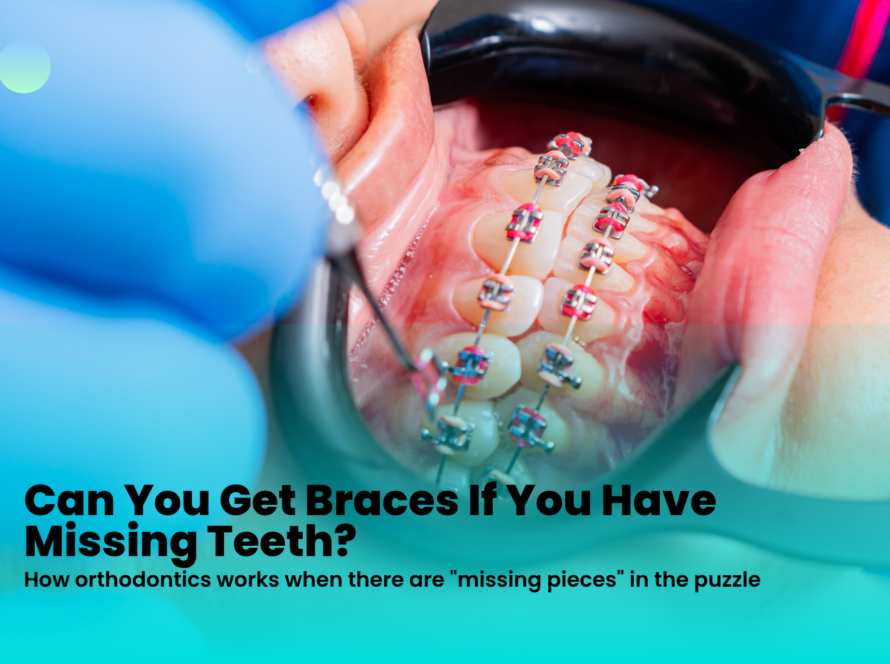
When people talk about bracket braces, they are usually picturing traditional metal ones. These consist of high-grade stainless steel brackets for braces that are bonded to each tooth and connected by a thin archwire.
Why They Still Dominate
There is a reason why the Best Dentist Guelph still recommends Traditional Braces for a large percentage of patients. They are incredibly effective. Because metal is resilient, these braces can handle the high-tension forces required to correct severe overcrowding, complex bite issues, and rotated teeth.
Pros of Metal Braces:
- Durability: You don’t have to worry about a bracket chipping if you accidentally bite into something a bit too firm.
- Cost-Effectiveness: Generally, metal braces in Guelph are the most affordable entry point for comprehensive orthodontic care.
- Customization: For younger patients, the ability to choose colored elastics makes the process feel like a form of self-expression.
The Subtle Sophisticate: Clear Bracket Braces
If the thought of a “metallic smile” makes you hesitate, clear bracket braces (often called ceramic braces) are the answer. These function exactly like metal braces, but the clear brackets are made of a polycrystalline ceramic material that blends in with the natural color of your tooth enamel.
Aesthetics Meet Function
The primary draw here is discretion. From a distance or in photographs, clear bracket braces are barely noticeable. This makes them a top choice for working professionals, older teenagers, or anyone who wants the power of fixed braces without the high-profile look of metal.
Pros of Clear Brackets:
- Low Visibility: They offer a much more “adult” look while still providing the precision of fixed orthodontics.
- Non-Reflective: Unlike metal, the ceramic material doesn’t glint under bright office lights or camera flashes.
- Strength: While not as “bulletproof” as steel, modern ceramic brackets are remarkably strong and resistant to staining.
Side-by-Side: The Key Differences
To help you decide, let’s look at how these two options stack up in the categories that matter most to patients.
| Feature | Metal Braces | Clear Bracket Braces |
| Visibility | High (Metallic) | Low (Blends with tooth color) |
| Material | Stainless Steel | Ceramic / Monocrystalline |
| Durability | Extremely High | Moderate (Can chip under high impact) |
| Stain Resistance | High | High (Brackets don’t stain, but ties might) |
| Treatment Speed | Fast for complex cases | Similar, but sometimes slightly slower |
| Comfort | Standard | Brackets can be slightly larger |
Clearing Up the “Braces Without Wire” Confusion
In your research, you may have come across the term braces without wire. It’s important to clarify what this actually means. Generally, if you are using brackets for braces, a wire is necessary to provide the “track” that moves the teeth.
However, many patients now opt for clear metal braces systems that use “frosted” or tooth-colored wires. When paired with clear brackets, the entire apparatus becomes incredibly subtle. If you truly want a system with no wires at all, you are likely looking into clear aligners (like Invisalign), which are removable trays rather than fixed brackets.
Factors to Consider Before You Choose
1. The Complexity of Your Case
While both systems can treat most issues, Traditional Braces are often preferred for cases requiring significant tooth rotation or vertical movement. If your case is straightforward, the choice is entirely up to your aesthetic preference.
2. Your Lifestyle and Hobbies
Are you an athlete? If you play high-contact sports like rugby or martial arts, the extreme durability of metal might be the safer bet. While you should always wear a mouthguard regardless of your braces type, metal is less likely to fracture upon impact compared to ceramic.
3. Maintenance and Care
Both require diligent brushing and flossing. However, with clear bracket braces, you have to be slightly more mindful of “staining” foods like mustard, black coffee, or red wine. While the ceramic bracket itself won’t change color, the clear elastic ties that hold the wire in place can discolor over time, making the braces more visible until your next adjustment.
Why Local Expertise Matters?
Choosing between these options isn’t something you should do in a vacuum. A Family Dentist Guelph can take digital scans and show you exactly how each option will sit on your teeth. Every mouth has a unique “bite force,” and for some, the way their upper teeth land on their lower teeth might make ceramic brackets a risk for chipping. Only a professional exam can determine that.
Frequently Asked Questions
1. Do clear bracket braces take longer to straighten teeth?
In most cases, no. However, ceramic material has a slightly higher “friction” against the metal archwire than steel brackets do. In very complex cases, this might add a month or two to the total treatment time, but for the average patient, the timeline is virtually identical.
2. Are clear brackets more expensive?
Yes, typically. The materials used to create high-quality, tooth-colored ceramic are more costly to manufacture than stainless steel. On average, you can expect to pay a bit more for the “invisible” benefit.
3. Do clear braces turn yellow?
The brackets themselves are engineered to be stain-resistant. However, the clear rubber bands (ligatures) used to attach the wire can stain if you consume a lot of dark-colored foods or smoke. These bands are replaced at every adjustment (usually every 4–6 weeks), so any staining is temporary.
4. Can I get metal on the bottom and clear on the top?
Absolutely! This is a very common choice. Many patients choose clear bracket braces for their top teeth (the “social six” that show when you smile) and metal braces in Guelph for their lower teeth to save on costs and increase durability.
5. Is it painful to have brackets removed?
Removing bracket braces is a straightforward process. The dentist uses a specialized tool to gently “pop” the bond. While it may feel like a bit of pressure, it isn’t painful. Ceramic brackets sometimes break during removal because they are more brittle than metal, but your dentist is trained to remove the pieces safely and clean the enamel afterward.
6. Which option is better for teenagers?
It depends on the teen! Active teens involved in sports often prefer the “set it and forget it” durability of metal. Teens who are self-conscious about their appearance in school photos or at prom often advocate for the clear brackets.
Final Thoughts
Whether you choose the classic reliability of metal or the modern invisibility of clear ceramic, the end result is the same: a healthy, aligned smile that improves your oral health and boosts your confidence.
If you’re still on the fence, the best next step is a consultation at a Dental Office Guelph. They can show you physical samples of both types, allowing you to see exactly how they look and feel before you make your final decision. Ready to start your transformation? Reach out to the Best Dentist Guelph today!